Is your current home starting to feel like a squeeze? You are not the only one. A cozy first home can seem like a cramped space when the family grows and needs change. The old debate “move or improve” often has homeowners turning their eyes to the sky.
Adding a second floor is an excellent way to double your square footage without losing any of your yard space. But before you dive into choosing staircase railings, a huge question might be scaring you: how expensive to add a second story?
This is a big job and not only from the financial point of view. It is as much a structural change. The addition of the second story is way more than putting some wood on top of the existing roof.
It requires engineering at a sophisticated level, getting the permits can be quite a challenge, and your life will be significantly interrupted. On the other hand, a lot of people are willing to make that provision to be able to live in the neighborhood and school district they love.
We are here to explain to you how much you need to put aside for this. We will go over all the major elements that contribute to the costs of your building work, such as upgrades to your foundation, and end with just a simple coat of paint.
You will see the truth about how expensive to add a second story, which will help you to know if this space upgrade is the right solution for both your family and your budget.
Adding a Second Story 101
We can’t really talk about how much a job is going to cost to put a new floor in your house without figuring out how it is going to happen first. The complexity of the work determines how costly it will be.
Adding a new story on top of one that exists is quite different from an extension at the ground level. The problem is the house, which will not always be structurally sound to support additional loads.
Structural Considerations
How expensive is it to add a second story? The answer to this question starts with a structural engineer’s assessment of your home. He will probably first check if your foundation and framing are strong enough to bear the weight of the new level.
A single-story ranch house sitting on a slab will probably have a foundation that is inadequate, and that will need major reinforcement, also called underpinning. For an older home, the existing wall studs might not be strong enough to support floor joists and a new roof structure.
Such expensive structural changes are experienced by many homeowners as a surprise, but they are in fact mandatory for safety and code compliance.
Design and Planning
There needs to be a plan before you start putting up the walls. Having architectural and engineering drawings is critical. At this stage, a plan is worked out that will fit a new storey on top of the existing house without it getting the look of a “pop-top” mistake.
Besides that, you will have to deal with local zoning rules. There might be certain height restrictions or setback rules in some neighborhoods that may hamper your design ideas. No matter how you look at it, the architectural, permit, and other fees are going to be a sunk cost; they will have to be paid even before the work of construction starts, and thus they will have a major effect on how expensive at first glance to add the second story.
Cost Influencing Factors
Few people know the real reasons behind the wide cost ranges that have left some of them scratching their heads when asking for a remodeling project quote.
Size and Complexity
Obviously, the cost of an extension that is just a small part of the second floor above a garage will not be anywhere near that of the double-storey throughout the whole footprint. Complexity is another aspect that plays a significant role in the overall cost.
You are not only asking, “How expensive is it to add a second story?” if your home is a simple box, or if your design includes dormers, complicated rooflines, and cantilevered sections? The more corners and angles you have, the more labor and materials are required, resulting in a higher cost.
Materials Used
Your selection of finishing materials is essentially the volume control of your budget. By selecting builder-grade carpet, vinyl windows, and asphalt shingles, you can keep the costs reasonably low.
On the other hand, if you opt for hardwood floors, custom slate roofing, and luxury bathroom fixtures, your budget will skyrocket.
Labor Costs
On average, labor costs account for about 50% of the entire project cost. You will need a general contractor who will be in charge of the whole project and also a number of specialists: framers, roofers, electricians, plumbers, HVAC technicians, and drywall installers.
In cities where the cost of living is high or where it is hard to get skilled tradespeople, labor rates go up, and this increase is directly reflected in how expensive to add a second story in your area.
Permits and Fees
Bureaucracy should never be underestimated. Building permits, electrical permits, plumbing permits, and possibly school district fees or impact fees can amount to a considerable sum. Your local municipality will have a fee schedule, and your contractor should be able to help estimate these costs.
Cost Breakdown into Details: How Expensive to Add a Second Story?
We are now getting to the core. Typically, the cost per square foot for the second-story addition falls within the range of $150 to $300, while the whole project can cost anywhere from $150,000 to over $350,000. Below is the list of expenses associated with this task.
Foundation and Structural Work
If your engineer finds that your foundation needs reinforcing, the costs can be anywhere between $5,000 and $20,000. This may mean digging under the current foundation and then pouring concrete.
Moreover, the expense of labor and demolition will rise if you open up walls on the first floor to reinforce studs or insert beams to support a new stairwell. A significant proportion of the “how expensive to add a second story” calls can be attributed to this groundwork.
Framing and Roofing
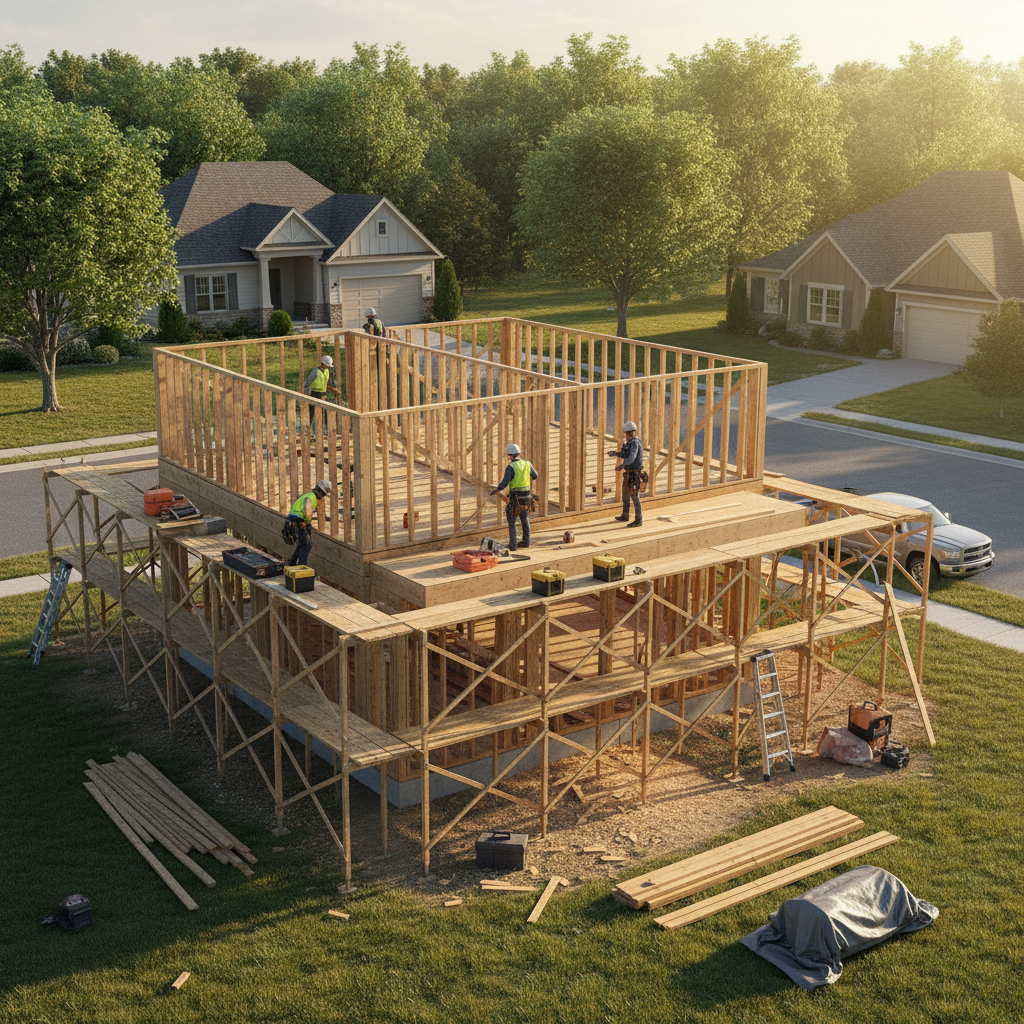
At this stage, you are basically changing your home “from the outside in”. That is, tearing down your roof so that the addition on top of the existing house can be built. The scope of work of demolition and framing, which includes lumber, trusses, and sheathing, can cost between $20,000 and $50,000, depending on the size of the project. Besides that, an allowance should be made for the roofing material itself, including shingles, flashing, and gutters.
Interior Finishes
As soon as the outside shell is waterproof and sealed, work inside can begin. This segment of the budget can be adjusted to fit one’s taste and preferences.
- Insulation and Drywall would amount to $2 – $4 per square foot
- Depending on which materials were selected, the Flooring cost could be $3 – $15+ per square foot
- Doors and Trim might be anywhere from $5,000 to $15,000, depending on the number and quality
Electrical and Plumbing
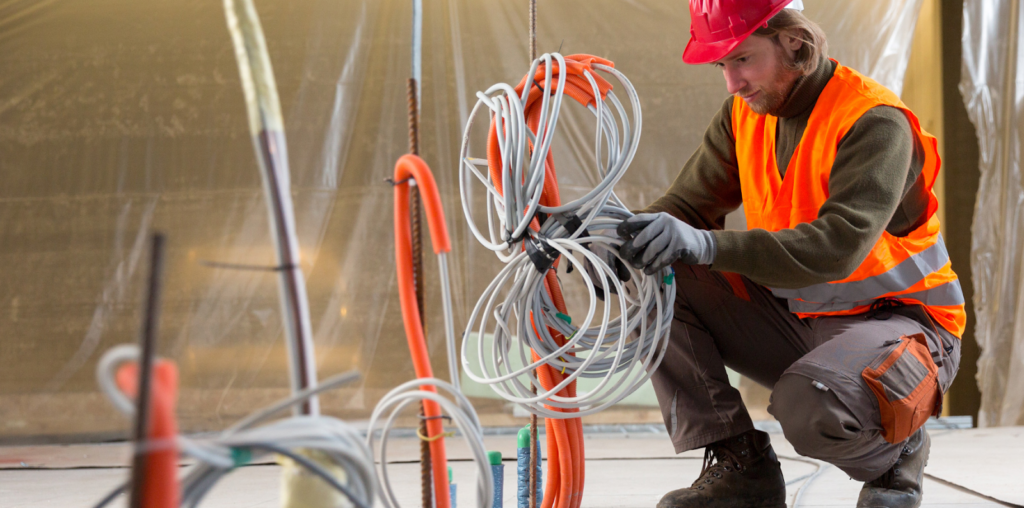
Extending electrical and plumbing systems upstairs can be a tricky task. In order to supply electricity to the new floor, the main electrical panel may have to be upgraded, which will entail an added cost of $2,000 to $4,000.
If the new bathrooms are added, then the biggest expense in plumbing will be the running of the stack lines down through the existing first floor. To do that, it will be necessary to dismantle the existing floor and second-floor joists.
That’s why this mechanical work can make quite a significant difference to the price of the construction.
HVAC Systems
There is a good chance that your existing furnace and air conditioner will not be able to accommodate twice the square footage. In reality, you have only two choices: you either replace the current system with a wider and zoned one or you install a separate system for the second floor only (e.g., mini-split). Plan for HVAC upgrades within a price range of $5,000 to $15,000.
Extra Expenses to be Accounted
On top of the contract, the actual payment is made up of many other things as well. Anyone who has been through many renovations has learned the hard way that the unexpected is to be expected.
Unexpected Issues
Removal of the roof uncovers the home’s secrets. For example, there may be mold in the attic; knob-and-tube wiring is very old and out of date; insulation could be asbestos. Fixing those things is a must, and we advise you to have a contingency fund of 10-20% of the total amount set aside for such instances.
If you don’t keep the money for this buffer, the question of how expensive to add a second story will literally become your real-life nightmare when the problems arise.
Landscaping and Exterior Work
The site is going to be in a state of chaos. Due to your construction activities, supporting scaffolding and dumpsters, heavy traffic on foot, parts of the lawn and garden are likely to be destroyed. Plus, there is the siding issue.
Usually, the siding of the upper level needs to be matched with that of the lower level, which often means that the entire house gets a new exterior. You are looking at an outdoor facelift that could cost anywhere from $15,000 to $40,000.
Temporary Living Expenses
Most people are shocked when they find out that this is yet another hidden cost. Normally, nobody can live in a house without a roof. Basically, the family must move out for a period of between 3 and 6 months while the major work is going on.
Whether you rent an apartment or stay in a hotel for an extended period of time, you should add rent, storage fees, and extra dining-out costs to your calculation of how expensive to add a second story.
Second Story Addition Financing Alternatives
Have you thought about the possibility of staggering your payments if the answer to how expensive to add a second story is too high for your present financial situation?
Case Studies: Real-World Examples
To give you a clearer picture, let’s look at two hypothetical examples based on market averages.
Case Study A: The Master Suite Addition
- Project: Adding 600 sq. ft. over a garage for a master bedroom and bath.
- Complexity: Low (foundation already exists under the garage).
- Total Cost: $110,000.
- Breakdown: As the owners did not have to do any structural work, they got a big discount on this part of the work. The major cost was this bathroom with very high-end fixtures, and the extensive tile work in the bathroom.
Case Study B: The Full Cape Cod Conversion
- Project: Removing the roof of a small Cape Cod and adding a full second level with 3 bedrooms and 1 bath (900 sq. ft.).
- Complexity: High.
- Total Cost: $245,000.
- Breakdown: The owners had to do a whole bunch of structural stuff, such as reinforcing the first-floor walls and replacing the HVAC system. They had to rewire the entire house to match the new addition. This example illustrates how expensive to add a second story when the scope includes whole-house integration.
Should I Put My Money in This?
Thinking of making the second story your new home is a long-term commitment. You will need to have plenty of patience, a big bank account, and, most importantly, you need to be able to live in dust! But, after all, you get the perfect home for your family and no moving, no real estate agents’ fees, and no leaving your lovely neighborhood to worry about.
How expensive to add a second story can go in a way beyond your imagination because you are not only spending money, but you are investing in the value of your property as well as your family’s quality of life.
The first step to ensuring the failure of your biggest project ever is to ignore the importance of the cost drivers. On the other hand, if you understand the factors behind the costs, plan very carefully, and always have some money for surprise expenses, then you will find big house dream can turn into great happiness rather thana financial nightmare.