
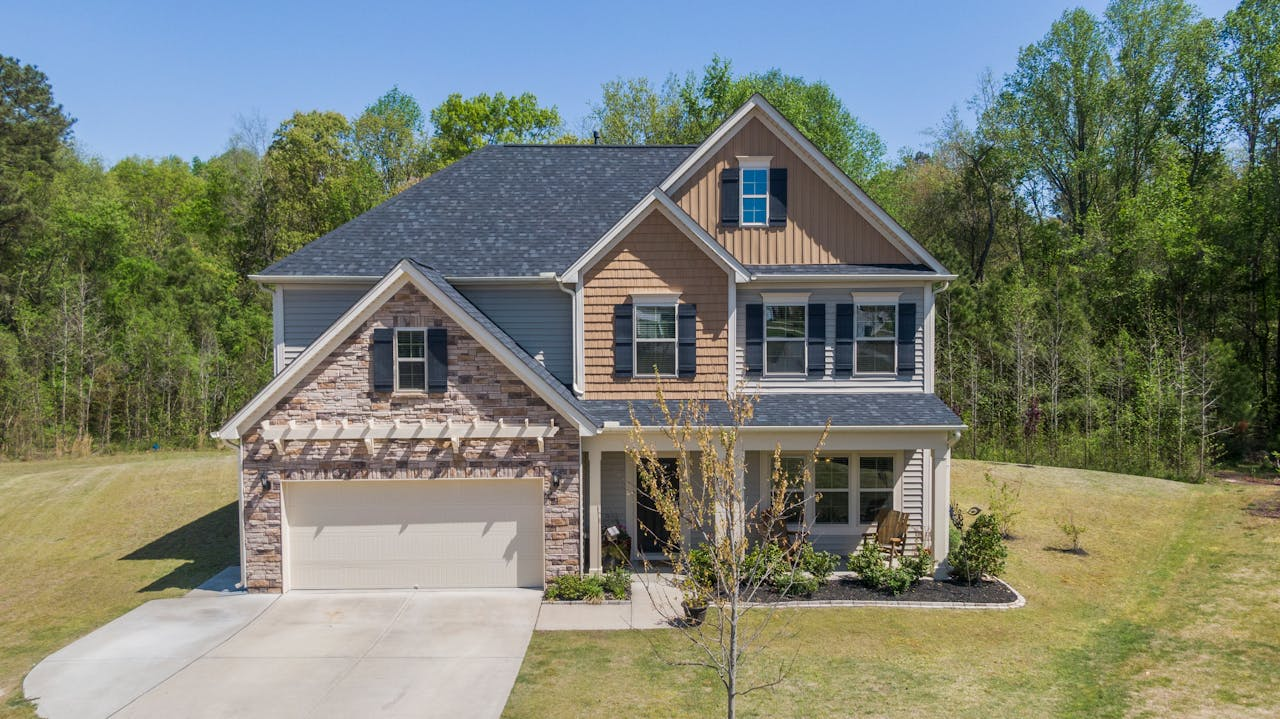
Has your home been giving you a feeling of too much comfort? Maybe the kids have grown, you have started working remotely, or you simply want to have more space to breathe. Either way, feeling cramped at home gets frustrating fast. But moving isn’t your only option. If you love your neighborhood and want to stay put, then understanding how to add square footage to your house can be just what you need.
A home addition isn’t just about getting extra space you are longing for; it can also significantly increase the value of your property. Who wouldn’t want a bright reading nook or even a full second floor? It can also improve how your home functions day to day. This article will introduce you to the whole process of increasing your footprint, from throwing out ideas to putting on the last coat of paint.
Assess Your Needs and Set Clear Goals
Before you expand, get clear on what you actually need. Or set new goals in your life before starting your home expansion project. Ask yourself: what’s the real reason you want more square footage? How to add square footage to your house? Do you want a new bathroom, bedroom, or extra home area?
Try to reflect on your daily routine. If you frequently invite your family over, an enlarged kitchen or a bigger dining room would be the ideal solution. If you work from home, a separate office can be a game-changer; a separate office will be indispensable. Figuring out the “why” helps you know the “how,” and also, later, you will know how to effectively communicate with designers and contractors when you have a clear understanding of what you want.
Construct a budget plan and source the funds
Changing or expanding your floor area is an investment that requires ample finances. The prices depend on many factors, such as the size of the project, the materials that will be used, and even your geographical location. Extending a wall by one or two feet will not cost nearly as much as a full second floor.
When doing your budget, don’t forget to weigh the pros and cons of the project. To be able to sell the house at a good price, you need to have the kitchen and the bathroom done, as these two rooms usually get a higher return on investment (ROI). Also, the addition of a master suite will make a good ROI.
These are the financing methods you can explore:
- Home Equity Loans: Take one big loan with your house as collateral.
- HELOCs (Home Equity Line of Credit): You operate with a revolving credit line similar to a credit card.
- Construction Loans: It is a short-term loan for building, and later it is converted to a mortgage.
- Cash: You avoid paying interest if you pay with cash, which is the easiest way.
Never forget to set aside money for unforeseen situations, approximately 10-20% of the total budget.
Understanding the Rules and Permits
Understanding local zoning laws is a crucial part of the process of figuring out how to add square footage to your house. You can’t just build any structure you want wherever you want to.
- Setbacks: Local codes specify the minimum distance your building must be from the property lines.
- Lot Coverage: You might be limited in terms of the percentage of your property that can be occupied by buildings.
- Height Restrictions: There can be a limit on how high a structure can be built.
The permit process is not to be ignored. If you carry out unpermitted work, you risk fines, having a hard time selling your home later, or even being ordered to tear down the new addition.
Figuring Out Your Expansion Needs: Different Addition Options
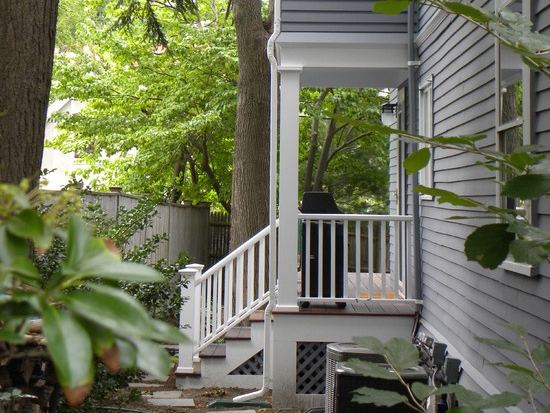
You are not limited to one option when it comes to extending your house. The answer to which one is the best depends on a combination of the lot size, the budget, and the existing home structure.
Protrusion Bump-Outs
It is the smallest type of extension that includes a few feet of wall push-out. Adding a kitchen with an island or a bathroom with a bathtub can be done without the need for a new foundation, thus saving a good deal of money.
Adding a New Room
Per your needs, you can decide to go with a full room addition, which requires either the side or the back of your house as the build site.
In addition, a foundation, roof, and walls are a must.
This method is perfect when you want a new bedroom, family room, or sunroom.
Adding a Second Floor
This type of expansion is the best option when the land is too small. This means that the only solution is to go vertically by changing the roof and establishing another level. You get twice the space in this way, but be aware that your existing foundation will need to be checked for strength.
Remodeling the Basement
Building out the basement is normally the cheapest way to increase your living area since the existing structure (walls, floor, and ceiling) is already there.
Converting the Attic
Like basements, attics are spaces that are hardly used. An attic conversion can turn a little unused space into a comfortable bedroom or workspace. But you need to be sure that there is enough headroom and the floor is structurally sound for your proposed use.
Workflows for Different Types of Additions
Knowing the workflow will help you realize whether your expectations are realistic or not. Here’s the construction progress for each type of project:
Carry Out a Bump-Out
- Demolition: An opening is made in the existing wall.
- Framing: A cantilever or minor foundation is constructed to support the new floor.
- Enclosure: The small new roof and walls are framed and sheathed.
- Finishing: Installation of drywall, flooring, and siding that match the rest of the room.
Adding an Entire Room
- Site Prep: Digging for the foundation.
- Foundation: Concrete footings and slabs are poured.
- Framing: The walls and roof trusses are installed.
- Systems: Electrical, plumbing, and HVAC are carried out for the new place.
- Interior/Exterior: The shell is finished with insulation, drywall, siding, and roofing.
Making the Second Story
- Structural Reinforcement: There might be a need to strengthen the walls and foundation of the first floor.
- Roof Removal: The old roof is torn down.
- Floor System: New floor joists will be put in place.
- Vertical Framing: Construction of the walls for the second floor.
- Roofing: The new roof is laid to protect the home from weathering.
Basements and Attics as Conversions
- Moisture Control: The area is made dry (very important for basements).
- Framing: Walls are built for rooms as well as hiding mechanical.
- Egress: Windows or doors are added to meet safety codes.
- Insulation and Systems: Heat and electricity are brought in.
Design Matters: Creating Flawless Additions
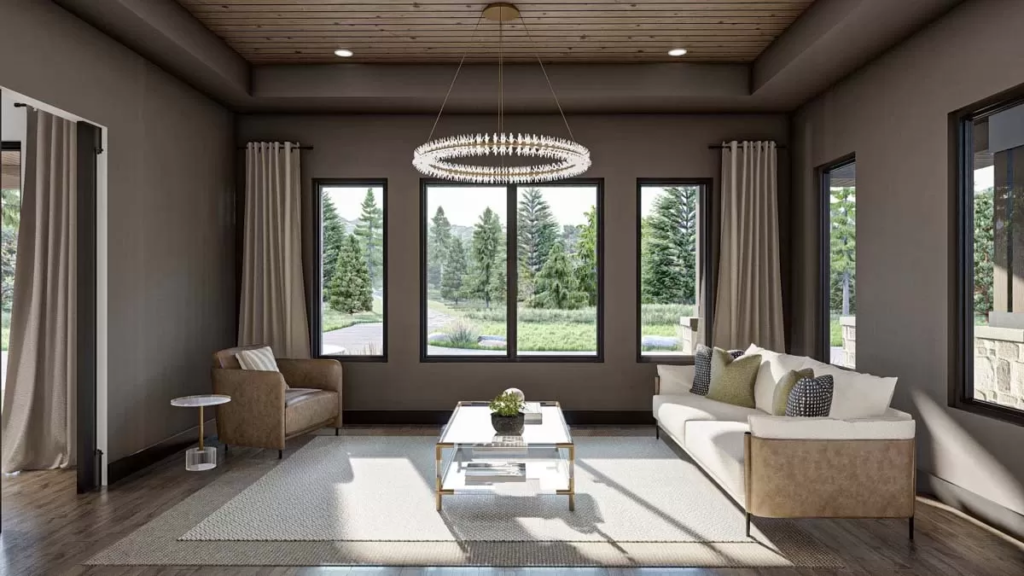
An addition that has been done successfully is one that does not reveal that it is an addition. Ideally, additions should be done in a way that they blend in with the original house plan. Design cohesion is the most important factor when you are thinking of adding floors to your house.
Keeping Home Style
It is wise to follow the rooflines, siding materials, and window styles of your house. If your home is a Victorian, then a hyper-modern glass box addition will appear like a joke (unless a skilled architect has intentionally planned this very carefully). Consider the details of trim, molding, and flooring transitions, too.
Letting the Light In
Most people want quite the opposite of dark spaces, new spaces should not be dark. Whenever it is possible, plan to have windows on two or more walls. Skylights are a great addition source of light for the second story as well as for single-story bump-outs. Think of the sun’s path all day to get more sunlight and heat.
Making the House Energy-Efficient
New construction is your chance to make your home more energy-efficient. Use insulation with a high R-value, windows with double or triple panes, and energy-efficient lighting. You would also require upgrading your HVAC system for the additional area.
Work with Skilled and Experienced Professionals
Don’t take on the whole project alone unless you are a master builder. You will need a crew.
How to Choose the Most Suitable Architect
The architect is the one who would help you picture the project and draw the blueprints that are needed for the permits. He/she should be someone who has a good knowledge of your home style and the local codes and has a portfolio of past additions.
Going for the Perfect Contractor
Your contractor would handle the daily work of building the house. The least number of offers you should get is three. A good contractor is one who will work with you to figure out how to add square footage to your house without breaking the bank. Don’t just focus on the price; look at the timeline, communication style, and references.
Keep an Eye on the Building Works
When you think about construction, you see noise, dirt, and disruptions. Being mentally prepared is half the battle.
Setting Realistic Timelines
Of course, there will be weather delays, material shortages, and structural issues that no one knows about. If the contractor says it will take three months, then you should really be prepared mentally for four or five. Being flexible will reduce your stress.
Getting Through Construction
Are you planning to stay or move? If you are staying, allocate “dust-free zones” and a temporary kitchenette for the kitchen. Take the furniture off and use plastic sheets to cover and partition the work areas.
Making Your New Place Worth More Than Ever
When you have figured out how to add square footage to your house, you can think of ways to decorate so that it will give the maximum expanding effect.
- Open Concept: Define zones with furniture instead of walls.
- Multifunctional Furniture: Use ottomans with storage or Murphy beds to keep the new space versatile.
- Vertical Storage: Use tall bookcases or shelving to draw the eye up.
Frequently Asked Questions
Which one is cheaper: building up or out?
On average, building up costs more than building out because it requires major structural work, removing the roof, and might include reinforcing the foundation. Building out is simpler if there is sufficient space. However, in very expensive land areas, the only option might be building up.
Does adding square footage always increase home value?
It is generally true that increasing your home’s livable space will result in a higher value. Though the return on investment (ROI) is conditional on the type of addition. Generally, adding a bathroom or bedroom will yield good returns. Overbuilding your house (making it significantly larger or more expensive than other houses in the neighborhood) may give a lower ROI.
Approximately How Long Does a Home Addition Take?
A room addition on the simple side can take around 3-4 months, while a large multi-room addition or second floor may take anywhere between 6-12 months or even longer. Has your home started feeling a bit too tight or cramped lately? Depending on the complexity and permitting speed.
Do I really need an architect?
If your project is simple, a design-build contractor or draftsperson might be enough. For structural changes, second stories, or where HOA/zoning restrictions are very strict, an architect is highly recommended to keep the project safe and aesthetically pleasing.
Plan Your Ideal Space Expansion
You are expected to plan for your home to change with you. Learning how to add square footage to your house is your doorway to a home environment that fits you perfectly. Aside from proper planning, having a solid budget, and having the right team, a home that feels brand new without the moving hassle is the eventual outcome.
Whether for one small bump-out intended as a breakfast nook or a remarkably large second-story master suite, your space is indeed your life. Don’t let your cramped house dictate your lifestyle. Start scribbling your ideas, get in touch with local professionals, and take that first step towards your dream home.