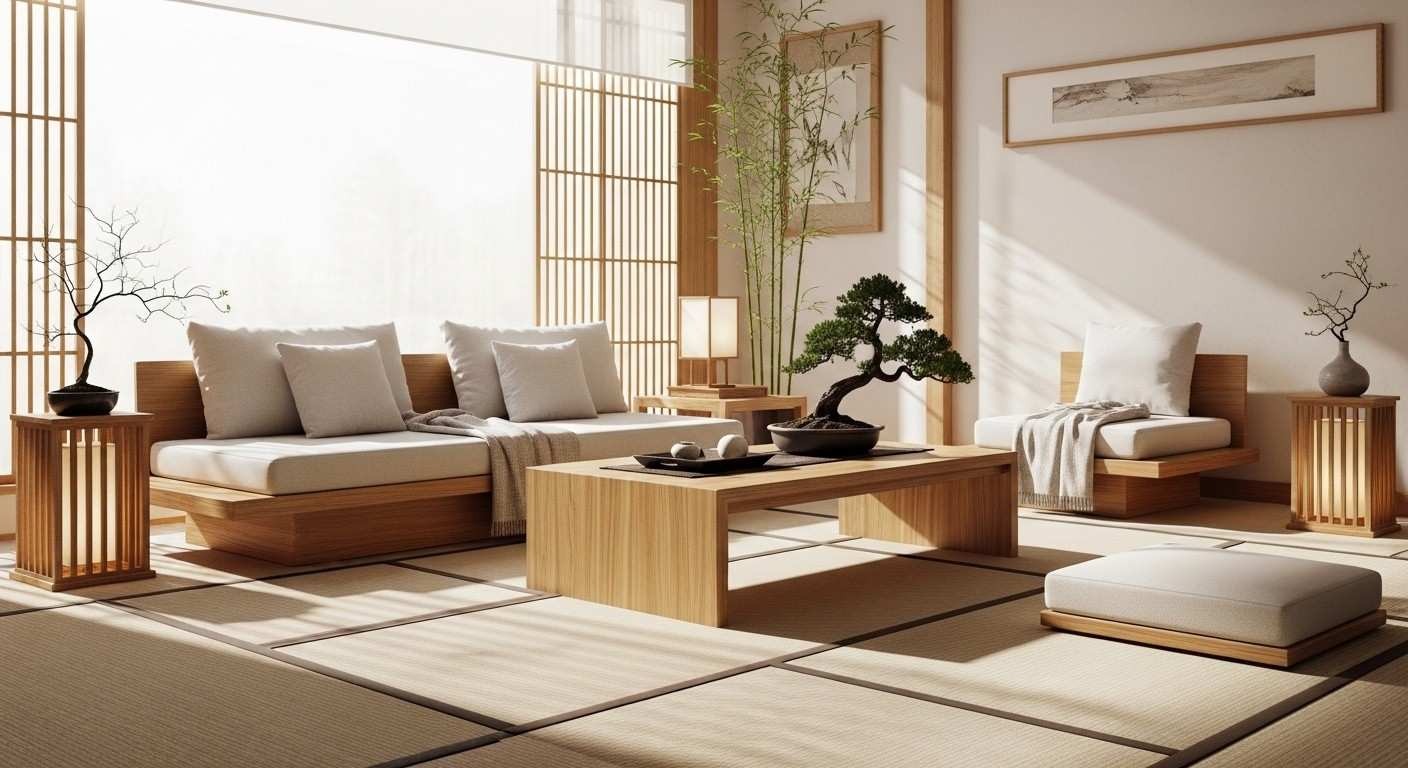
From being merely a passionate idea among a few enthusiasts, Asian-inspired interiors are now considered a must-have style in most homes. Just browse any interior design network—Pinterest, Houzz, Instagram, etc.—and you will see people abandoning cramped, overly faddish styles in favor of calm, thoughtful rooms really well done by Asian home decor. And it is quite simple to figure out the reason.
Asian home decor is mainly based on a philosophy that most of us intuitively desire: harmony, balance, and a profound reverence for the natural environment. These are far from the only stylistic options. Their principles of design are based on cultural wisdom accumulated over centuries, starting from the Zen Buddhist tradition of Japan to the ancient Chinese practice of feng shui. If done properly, they can alter the atmosphere of a place and make it much more pleasant to live in.
Scientific research confirms that. Numerous studies of biophilic design—including natural elements like wood, stone, and plants in interiors—consistently reveal a lowering of cortisol levels, enhanced focus, and an increase in emotional well-being. Minimalistic surroundings, which represent another fundamental aspect of Asian-inspired interiors, have also been associated with reduced anxiety and improved productivity.
If you want your home to be a refuge rather than just a place to lie down at night, Asian home decor can be an excellent, practical, and breathtaking point of departure without a doubt. This guide explains the central philosophy underlying the style and the materials and colors that are representative of it, as well as nine exclusive touch-up ideas that you can begin implementing right now.
Why Asian Design Principles Work
It is not just the physical appearance that attracts people to Asian home decor. The philosophy behind it—which says that “a well-ordered external space relates to a well-ordered internal space”—makes the style have longevity that trend-inspired interiors hardly manage to have.
Balance is essential. It doesn’t matter if it is the Yin and Yang (Chinese design), the Ma (Japanese interiors’ negative space), or the organic symmetry (Balinese architecture)—all Asian design traditions place balance against overindulgence. There is no single element that does not deserve its place there.
Simplicity is the other principle that dominates the styles. There is some degree of decoration, but it is always functional: a single ceramic vase, a carefully arranged bonsai, a paper lantern emitting soft light… They keep their strength precisely because they do not compete for attention by adding dozens in the same place.
Moreover, it is important to remember that “Asian decor” is not one and the same thing. In fact, each culture has its own unique characteristics. Japanese Zen style emphasizes austerity and natural textures; Chinese traditional interiors are richer with bold color, lacquered furniture, and symbolic motifs; and Balinese style combines tropical lushness and hand-crafted artisan pieces. Yet, all of them share that universal fundamental focus on intentionality.
The Art of Zen Minimalism
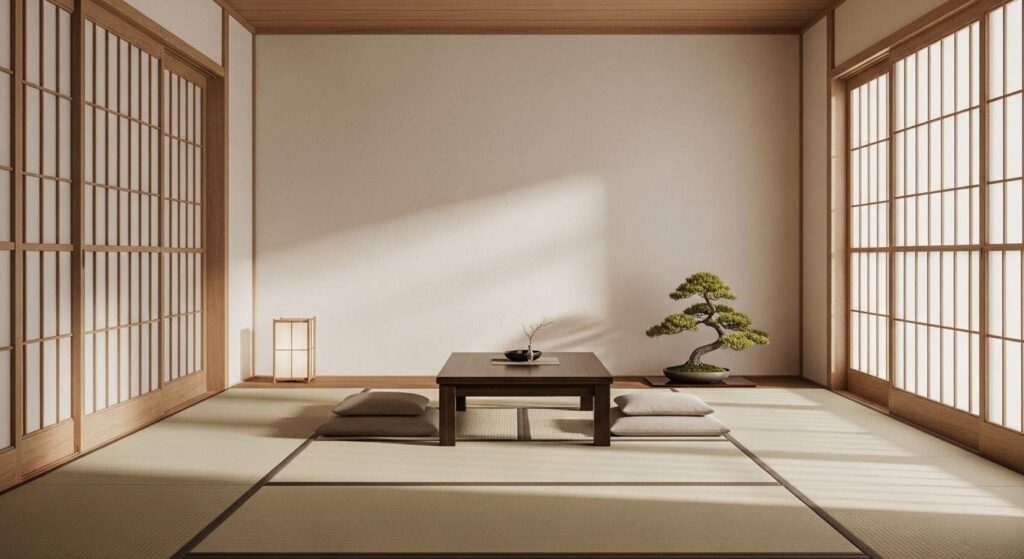
Going zen minimalist is by far the most popular way of introducing Asian home decor to Western houses and, at the same time, maybe the most confused one. It is not a matter of demolishing every last item from the room. It is about making choices carefully.
Leaving empty spaces is equally important as filling up those spaces. A mostly empty wall is not a failure; it offers the eyes a rest. At the same time, open floor space is not a sign of an incomplete room—it is a kind of breathing room for both the body and the mind.
Specifically, Zen minimalism is all about decluttering. You can even practice this with a simple activity: pass through each room and determine if each piece of furniture is useful, if it serves a purpose, or if it is suitable for the room decor. If something does not fit any of these things, it probably shouldn’t be there. Start with all surfaces—counters, shelves, and coffee tables—then gradually move towards the inside of the room.
Natural Materials That Make a Difference
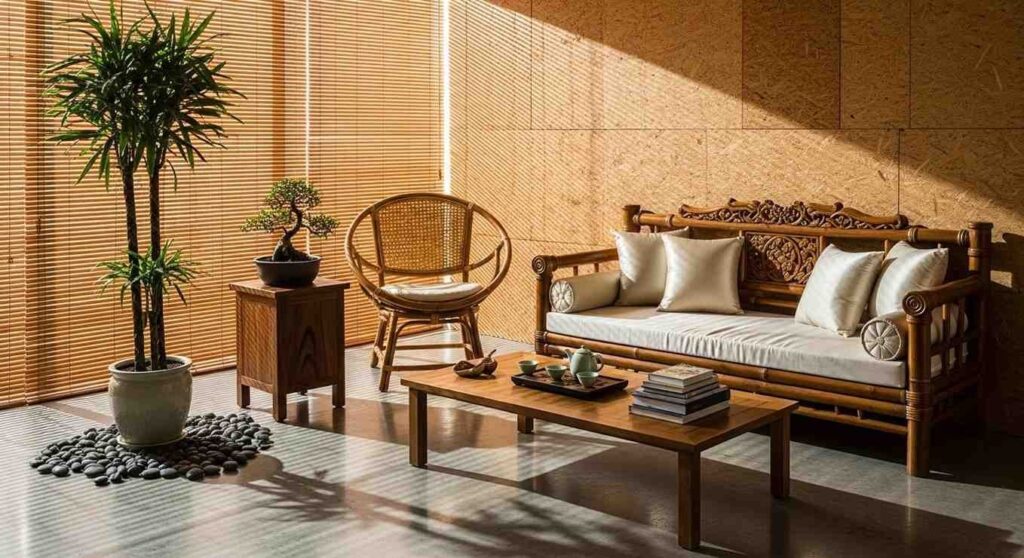
Natural materials are, without any doubt, one of the most significant aspects of Asian home decor. Besides bamboo, silk, stone, rattan, and wood being visually perfect, they are also capable of making a connection between a place and the natural world that artificial materials simply cannot achieve.
Below is a list of ways for you to integrate them into your life without a full-blown renovation:
- Bamboo: Consider bamboo shelves, blinds, or decorative trays. Besides being sustainable and durable, it naturally imparts an Asian theme in the house.
- Stone: You can create a stone feature wall or have slate tiles on the floor. Alternatively, even the simple use of a few smooth river stones arranged nicely on a shelf can give the room an earthy grounding feeling.
- Wood: Furniture with straightforward shapes and the grain of the wood visible is preferable. Teak, walnut, and oak are excellent woods for Zen interiors.
- Silk: Introduce texture by small additions of silk cushion covers or a sofa decorated with a silk-blend throw.
To get materials that are ethically sourced, look for companies that have been awarded the Forest Stewardship Council (FSC) certification when dealing with wood products, or visit artisan markets and fair-trade retailers for handcrafted pieces.
Color Palettes Inspired by East Asia
Color in an Asian-inspired interior is always used on purpose. The range of colors depends on the particular culture, but the general rule is that the use of colors should be so balanced that it never looks like a mess.
Japanese minimalist: You should use a predominantly neutral base consisting of warm white, soft grey, and natural wood tones. To add a bit of color, try adding muted sage green or charcoal.
Chinese traditional: The three main colors used in traditional Chinese design are deep lacquer red, jade green, and warm gold. Use them for accent walls, decorative items, or upholstered furniture against a neutral background so the whole space does not seem too overwhelming.
Balinese resort: Terracotta, earthy brown, deep teal, and lush green are the colors used in this palette. Together with the use of rattan and raw wood, this color scheme can give you the look and feel of a tropical paradise that is at once earthy and grounded.
In every case, less is more. One or two accent colors in each room, surrounded by neutral colors, will always appear more deliberate and well thought out than a room that has five completely different colors thrown together.
9 Asian Home Decor Ideas to Try
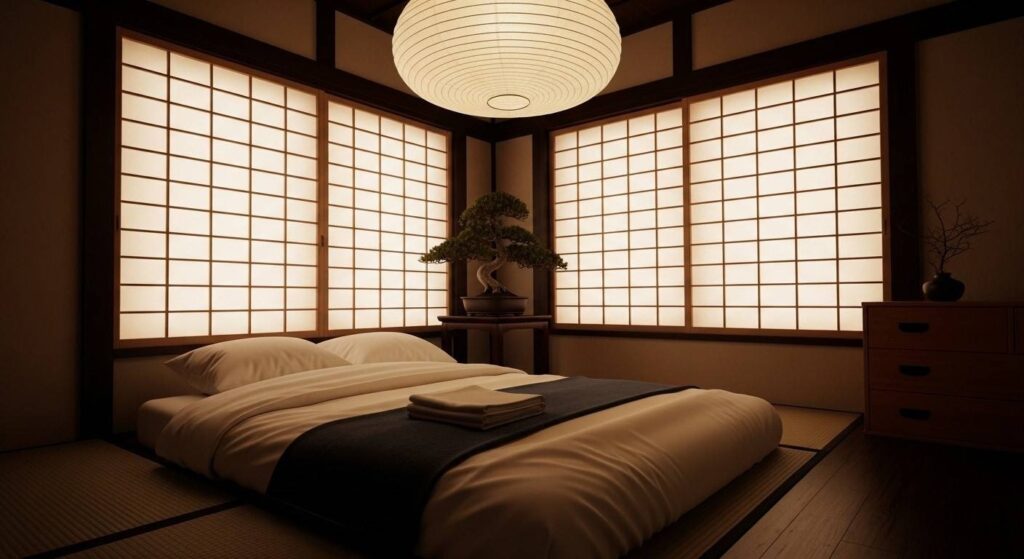
Here, the theory comes to meet the reality. Besides being simply useful, these ideas can also act as a catalyst for the Asian home decor transformation of the whole house.
1. Shoji Screens
These traditional Japanese room dividers consist of a wooden lattice frame with translucent paper. They soften and spread natural light in an elegant way, as well as creating visually pleasing, flexible boundaries in a room. Besides being used as window coverings and room dividers, they can also be decorative headboard alternatives.
2. Indoor Water Features
Wooden or stone tabletop fountains and wall-mounted waterfalls are one method of bringing the sound and the element of flowing water into your home. According to feng shui, water is related to wealth and tranquility. Though it may be just a small fountain placed on a side table, its effect on the mood of the room can be quite impactful.
3. Bonsai Trees
Bonsais are among the most effective objects for evoking a meditative silence in a room. As living, miniature sculptures, they possess a certain charm to engage people’s attentiveness and care, thus becoming a form of meditation practice through tending the tree.
4. Low-Profile Furniture
Japanese furniture ideas often include platform beds, floor cushions, and low-profile sofas. Besides making the room look more spacious, bringing the furniture closer to the floor also creates a more grounded feeling, which is perfect for small rooms.
5. Lanterns and Paper Lighting
Trade in your overhead light for paper lanterns or bamboo pendant lights with a Japanese-style look, and somewhat diffuse the light. Trapped lighting drastically changes the ambiance of the room, and soft, ambient lighting is the very core of the mood of Asian-inspired interiors.
6. Feng Shui Basics
You don’t have to completely change the layout of your home to implement feng shui principles. A good way is to start with furniture arrangement so that your sofa is facing the door (‘command position’) and clear any hindrances to the natural flow of movement in the room. The Bagua Map—a Feng Shui tool that divides the home into different life sectors—can give you a nice overview.
7. Bamboo Accents
Beyond furniture, you can introduce bamboo through vases, picture frames, baskets, or window blinds as well. It is an inexpensive, highly versatile way to infuse a sense of Asian home decor into any room without doing a lot at once.
8. Asian-Inspired Artwork
Ink wash paintings, calligraphy prints, and hand-painted ceramics are just some ways to decorate both walls and shelves with cultural depth and visual interest. Large-scale ink wash landscapes can anchor the whole room.
9. Indoor-Outdoor Connection
One of the main features of Balinese and Japanese design is that they blend inside and outside. Bring the outdoors into the home using large potted plants, glass sliding doors, and natural light that is unobstructed. Even simply placing a few plants by the window can change the vibe of your room.
Blending Old and New: Modern Meets Antique
One of the first things stunning Asian home decor will hit you with is its combination of modern and traditional elements. A sofa with a sleek contemporary look alongside a carved wooden side table. Minimalist floating shelves exhibiting antique ceramics. Simple modern cabinetry juxtaposed with a hand-woven textile wall hanging.
The secret lies in moderation. Select one or two major antique or artisan pieces per room and allow them to bring the room to life on their own. Filling a modern space with too many traditional objects doesn’t give you the layered richness you want but rather creates visual noise. So when in doubt, always do less.
FAQs
How do I incorporate feng shui into my living room?
Start with the position of your furniture. Arrange your main sofa so that it faces the door, the “command position,” and make sure the paths are clear. Place a plant or a water feature to stimulate positive energy flow. Clutter should especially be removed from the corners, as those areas can trap stale energy.
What materials are used in Asian interior design?
Common materials include bamboo, teak, rattan, silk, stone, and paper (especially for lighting). They are chosen primarily for their close relationship to nature and their textural warmth.
Is Asian home decor suitable for small spaces?
Definitely. Many of the Asian design principles—especially Zen minimalism and low-profile furniture—are undoubtedly the right choice for smaller spaces. The focus on open space and eliminating clutter means that even a small room can seem quite large.
How do I mix Asian decor with my existing Western-style furniture?
The first step is to concentrate on textiles, lighting, and accent pieces. A bamboo lamp, a silk cushion, or an ink-wash print can introduce an Asian-inspired vibe without the need for new furniture. After you have found your footing, you can slowly bring in more sizable pieces.
What’s the difference between Japanese and Chinese interior design?
Japanese interior design is quite spare, relies heavily on natural textures, and is lightly colored. On the other hand, traditional Chinese design is more opulent in color, featuring lacquer reds, golds, and jade greens, and it also typically includes ornate furniture and symbolic motifs. Both celebrate balance, but they do so in very different ways.
Your Serene Space Starts Here
Asian home decor succeeds because it is based on something tangible: the recognition that our surroundings shape our experience. A room made with care, using natural materials, and balanced not only looks great—it is also a joy to live in.
Fortunately, starting from zero is not necessary. Choose one or two items from this list and proceed step by step. You can start by acquiring a bonsai. Then, change your main light fixture to a paper lantern. And finally, arrange your living room furniture according to the Feng Shui command position. Deliberately made small changes have a tendency to add up.
After you have made the changes in your home, post a picture of it on social media with the hashtag #AsianHomeDecor—we would really like to see your creations. If you are looking for more ideas, check out our related articles on minimalist interior design and biophilic decorating for your next steps.