Among other reasons for buying a home, affordability is one of them. And if you are not familiar with the traditional market or just consider it too expensive, buying a manufactured home is the right thing to do for you. In fact, it is estimated that millions of Americans are choosing manufactured homes due to their affordability and other benefits. Manufactured homes are a smart and affordable path to homeownership.
Your inscriptions in the traditional house will not be the same as those for a manufactured home. However, with correct instructions, you will be able to learn how to buy a manufactured home.
This comprehensive manual contains detailed information that will help you to find a home, get your financing, and finally move in.
What Is a Manufactured Home?
Such a home is a residence completely manufactured in a factory in a highly controlled environment. After construction, it is transported and installed at the owner’s site by the manufacturer.
Many people confuse them with the “mobile homes” of the past. However, to ensure the manufactured homes meet the federal safety and construction standards, the U.S. Department of Housing and Urban Development (HUD) has regulated this type of housing since 1976. The HUD Code, which addresses the performance of manufactured houses, is a set of regulations. Issues such as fire safety, plumbing, and electrical systems are also covered by the HUD Code.
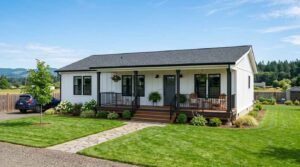
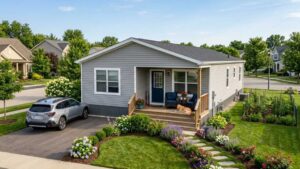
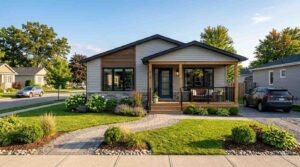
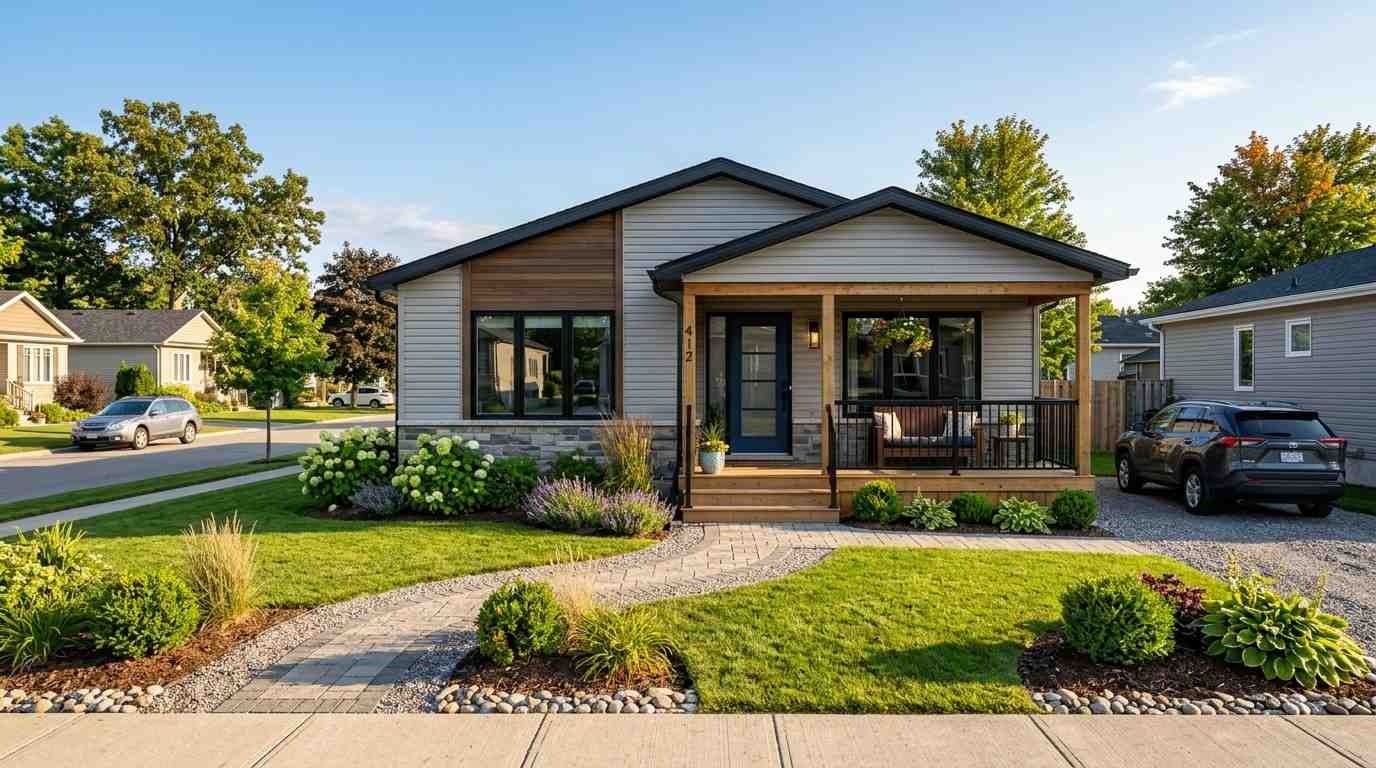
Manufactured homes can be manufactured in different styles and sizes and with various floor plans. It is possible for these homes to resemble site-built houses so closely that it can be difficult to differentiate them from the outside.
How to Buy a Manufactured Home: Step-by-Step
When you figure out how to buy a manufactured home, you will be able to identify all stages of this process. Here is a step-by-step description of buying a manufactured home from the beginning to the end.
Step 1: Set a Realistic Budget
You should figure out your budget before getting carried away with choosing floor plans.
Your total manufactured home cost will be more than the home price alone. Besides the purchase price of the home itself, you should also think about the following items when purchasing a manufactured home:
- Price of land (if purchasing land)
- Delivery and installation charges (usually $3,000 to $10,000 or even higher)
- Foundation costs (a permanent foundation will be much more expensive than a simple set-up)
- Connecting utilities for water, sewer, and electricity
- Property taxes (depend on the state and county)
- Home insurance
For most single-section manufactured homes, you will be able to find prices starting at roughly $70,000-$90,000. If you want a multi-section or double-wide model, your car will run $120,000 or more, and that is without land.
Before going shopping, set a definite monthly budget. In fact, many buyers get excited about home prices to the exclusion of these hidden costs.
Step 2: Choose Your Home Type
Manufactured homes are presented in their basic form in three sizes:
Single-wide houses are generally 14-18 feet in width by 60-90 feet in length. As the most affordable, they are the bottom options that suit a single person or a small family well.
Double-wide houses are two sections joined side by side. They look more like a conventional home and offer much more living space.
Triple-wide or multi-section houses, as the name implies, are the largest of the options. They make a perfect home for large families.
Work out the number of bedrooms and bathrooms that you want. Think about your living habits as well. If you plan to expand or remodel in the future, a double-wide is the way to go in terms of giving you more working elements. Here are a few cost-effective small house interior design ideas that will help you comfortably live even in a small home.
Step 3: Decide on Land: Rent or Own?
The biggest choice you will face is the location of your house.
Option 1: Lease a lot in a community. Manufactured home communities (also known as mobile home parks) offer you the opportunity to rent a lot. In this case, you own the home but pay a monthly lot rent, which can run from $300 to $800 depending on the location.
These communities usually have amenities such as playgrounds, clubhouses, or community pools. On the downside, lot rent may increase over time, and you as a homeowner, don’t gain any equity in the land.
Option 2: Buy Private Land. Owning the land your home sits on gives you more stability as well. Also, it makes it easier for you to buy the property with a loan,, as you can combine home and land into just one loan. Be aware that each county has its own zoning regulations, and not all allow manufactured housing. Before you make a purchase, check with the local authorities regarding the zoning rules.
Step 4: Find a Reputable Dealer or Seller
In case of a new home purchase, you will be dealing with a manufactured home dealer. When buying a used home, you could work with a private seller or a real estate agent.
It is highly advisable to do research in any case.
Before picking a new home, pay visits to a few dealers and compare their floor plans and prices. Inquire about the warranty, particularly. Most new manufactured homes have a one-year manufacturer’s warranty on the building and systems.
For used homes, please be very careful. Pay attention to the condition of the roof, plumbing, electrical system, and insulation. The homes built before 1976 were under looser standards and therefore may be of concern. For locating HUD-approved manufacturers and local dealers, you can refer to the U.S. Department of Housing and Urban Development website, where both official lists and consumer resources are maintained.
Step 5: Understand Your Financing Options
The way that you finance a manufactured home is different from a traditional mortgage. Your awareness of the options will save you lots of money and reduce your stress.
Chattel Loans: If the land you plan to put your house on is leased, it is highly possible that you will get a chattel loan. This is similar to a car loan, as it treats the home as personal property. The interest rates are generally higher than traditional mortgages, and loan terms can be shorter. Purchasing land with a manufactured home on it is a better security package for a loan, and it can be combined into one loan. Title II FHA loans are conventional mortgages insured by the Federal Housing Administration that are also called FHA Title II loans, and typically, they provide the best terms.
VA and USDA Loans: Veterans and rural buyers are eligible to get VA or USDA loans, which can be used under certain conditions for manufactured homes.
Conventional Mortgages (Fannie Mae/Freddie Mac). In case a manufactured home is permanently attached to a foundation and classified as real property, some conventional lenders might finance it.
Call on all the help you can get and compare lenders. Sometimes credit unions and community banks offer better terms for manufactured home loans than large national banks.
Step 6: Get a Professional Inspection
Inspection is mandatory for both new and used homes.
Home inspectors who are qualified will assess the foundation, roof, walls, doors, windows, plumbing, electrical system, and HVAC system. Specifically for the manufactured home,, they will also check the HUD data plate (a small metal plate inside the home that lists the manufacturer’s information and HUD certification), the tie-down system, the skirting, etc.
Always ask for maintenance records and repair documentation for used homes, especially if they have been moved from one place to another. Moving two to three times is risky for the home.
Inspection fees, on average, range from $300 to $500 for manufactured homes and are definitely worth the money.
Step 7: Review the Title and Legal Documents
Manufactured homes that are sequenced and moved around have to be titled like vehicles (which means personal property). However, when the home is permanently attached to land that you own, you can convert it to real property with your county.
Make sure that you and your professional review all documents (deed, title, …) before signing. Ensure:
- The seller is the true owner of the home with a clear title
- No loans or liens are outstanding on the home
- The home’s serial number in the title is the same as the HUD plate number on the home itself
This step will save you from purchasing a home with legal problems attached.
Step 8: Close the Deal
Here is a list of things you will have to do at closing:
- Sign the purchase agreement
- Complete paperwork to get a mortgage
- Pay closing costs (usually between 2% and 5% of the loan amount)
- Show proof of insurance
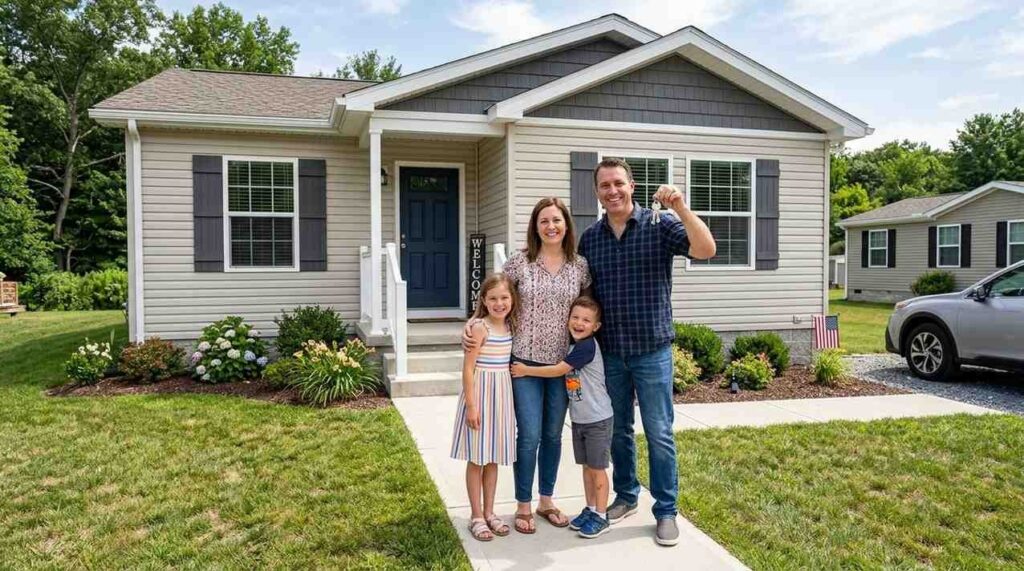
- Receive keys and warranty package
Besides closing, new home delivery and installation will be scheduled with the dealer or manufacturer. This takes a few weeks on average.
HUD Code: Why It Matters
Manufactured homes built after June 15, 1976, must comply with the HUD Code, which is the federal safety standard for housing. The standard addresses things like structural design, fire prevention, energy efficiency, plumbing, and electrical systems.
You can usually find the HUD certification label by looking at manufactured homes. It is a small red metal plate fixed to the outside of each section of the home. This plate is an indication that the home meets the federal code.
A home without a HUD label is most likely going to be more difficult to finance and insure. Besides, it could mean that it was built before 1976, following much older and less safe standards.
New vs. Used Manufactured Homes
Both new and used manufactured homes have real advantages. Here’s a quick breakdown.
New Manufactured Homes:
- Full manufacturer’s warranty
- Latest energy-efficient features
- Choice of floor plans and finishes
- Higher initial cost
Used Manufactured Homes:
- Much lower purchase price
- Can sometimes move in faster
- May need repairs or updates
- No warranty (unless recently renovated)
If you are on a tight budget, a used home might be a very good option—just remember to have it inspected and understand what you are buying to be able to get the most of the experience.
Energy Efficiency in Manufactured Homes
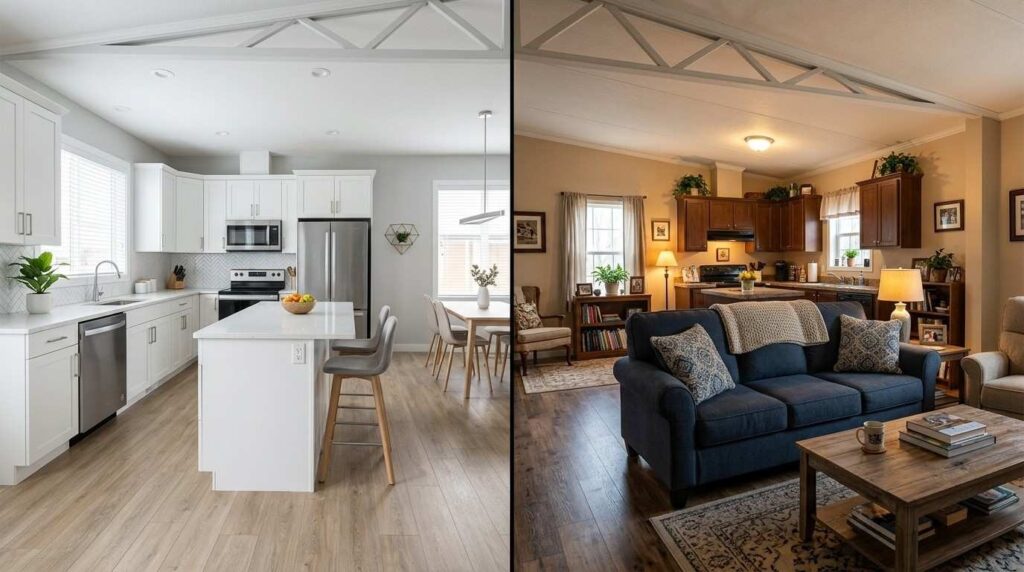
One big perk of manufactured homes is their energy efficiency. Newer homes have better insulation, energy-efficient windows, and high-performance heating and cooling systems.
The U.S. Department of Energy asserts that manufactured homes constructed to the latest HUD thermal standards use much less energy than older models. In addition, many of the new homes are also ENERGY STAR certified.
When you buy an energy-efficient home, the first thing to do is to find out about the insulation level (the thermal zone), the HVAC unit installed, and whether or not the home is fitted with energy-efficient appliances.
While better energy efficiency results in lower monthly utility bills, it is often overlooked, which is a mistake on the part of the home buyer/owner. It is a really big factor in your total cost of ownership and not just the purchase price.
If upgrading the home in the future is one of your plans, there are many renovation ideas that will help you increase comfort and decrease energy costs quite substantially, and at the same time, it will not require a big investment on your part.
Common Mistakes to Avoid
Buyers frequently make mistakes that could have been avoided by gaining some simple earnings. Listed are the most common mistakes that buyers make.
Skipping the inspection. Sometimes buyers want to save a few hundred dollars by not getting an inspection. The truth is, it will never be worth it to skip this step. Water damage, electrical faults, or foundation problems can be hidden and may cost thousands to repair.
Not checking zoning laws first. Buying into a house and then discovering that the land your house is on is not legal for manufactured homes is a big waste of money. You need to verify local zoning regulations before buying.
Overlooking the total cost. Many buyers focus on the purchase price and forget delivery, installation, utility hookups, and land costs. Put together a full picture of your total investment before making a decision.
Choosing the wrong loan type. Chattel loans are still dominant in manufactured home financing but often come with higher interest rates. Take your time to consider all your options—FHA, VA, USDA, and conventional—and make sure you pick what works best for your situation.
Buying in a flood zone without proper insurance. Manufactured homes can be more vulnerable to flooding than site-built homes. Check FEMA flood maps and make sure you have the right coverage.
Not reading the community lease agreement. If you’re renting a lot in a manufactured home community, be sure to thoroughly read the lease. Know what fees can increase, what rules apply, and what happens if the park closes or is sold.
FAQ
What credit score do I need to buy a manufactured home? It depends on the loan type. FHA Title I loans may accept credit scores as low as 580 with a 3.5% down payment. Conventional and chattel loans generally prefer scores of 620 or higher. Some lenders have their own requirements, so it pays to shop around.
Can I buy a manufactured home with no money down? Some loan programs offer low or zero down payment options. VA loans for eligible veterans can require no down payment. USDA rural development loans may also offer 100% financing. FHA loans require as little as 3.5% down. A conventional loan without insurance typically requires 20% down.
Is a manufactured home a good investment? It can be, depending on how you buy. Homes on land you own tend to hold their value better than homes on leased lots. Also, newer manufactured homes built to current HUD standards tend to appreciate more steadily. The key is to buy smart — get a good inspection, secure favorable financing, and choose a stable location.
What is the difference between a manufactured home and a modular home? A manufactured home is built entirely in a factory and must meet HUD Code standards. A modular home is also factory-built but in sections, and it must meet the same local building codes as a site-built home. Modular homes are typically installed on permanent foundations and often appreciate more like traditional homes.
How long does it take to buy a manufactured home? The timeline varies. Buying a new home from a dealer can take anywhere from 4 to 12 weeks, depending on the model availability, delivery schedule, and site preparation. Buying a used manufactured home can sometimes close faster — within 2–6 weeks — especially if financing is already in place.
Can I put a manufactured home anywhere I want? No. Zoning laws, HOA rules, and local ordinances control where manufactured homes can be placed. Some areas restrict them entirely. Always check with your local zoning or planning office before you purchase land for a manufactured home.