If you have probably wondered, “How do I buy a manufactured home?” then you’re definitely not alone. Every year, thousands of people in the United States choose manufactured homes because they are affordable and well-built.
Nevertheless, the buying process is somewhat different than buying a regular house. You will have to consider a few things, such as land, financing, permits, and even setup.
This guide simplifies the whole process into a series of simple steps so that you will have a clear picture of what to expect before you decide on anything.
What Is a Manufactured Home?
A manufactured home is constructed inside a factory and then transported to its final location. It must meet rigorous federal construction standards as designated by HUD.
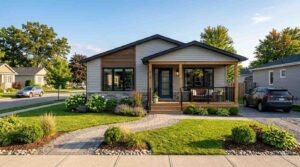
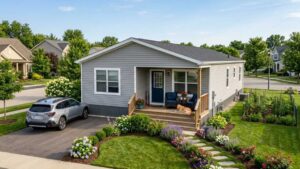
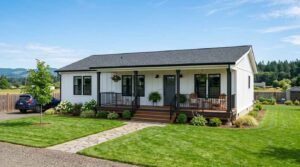
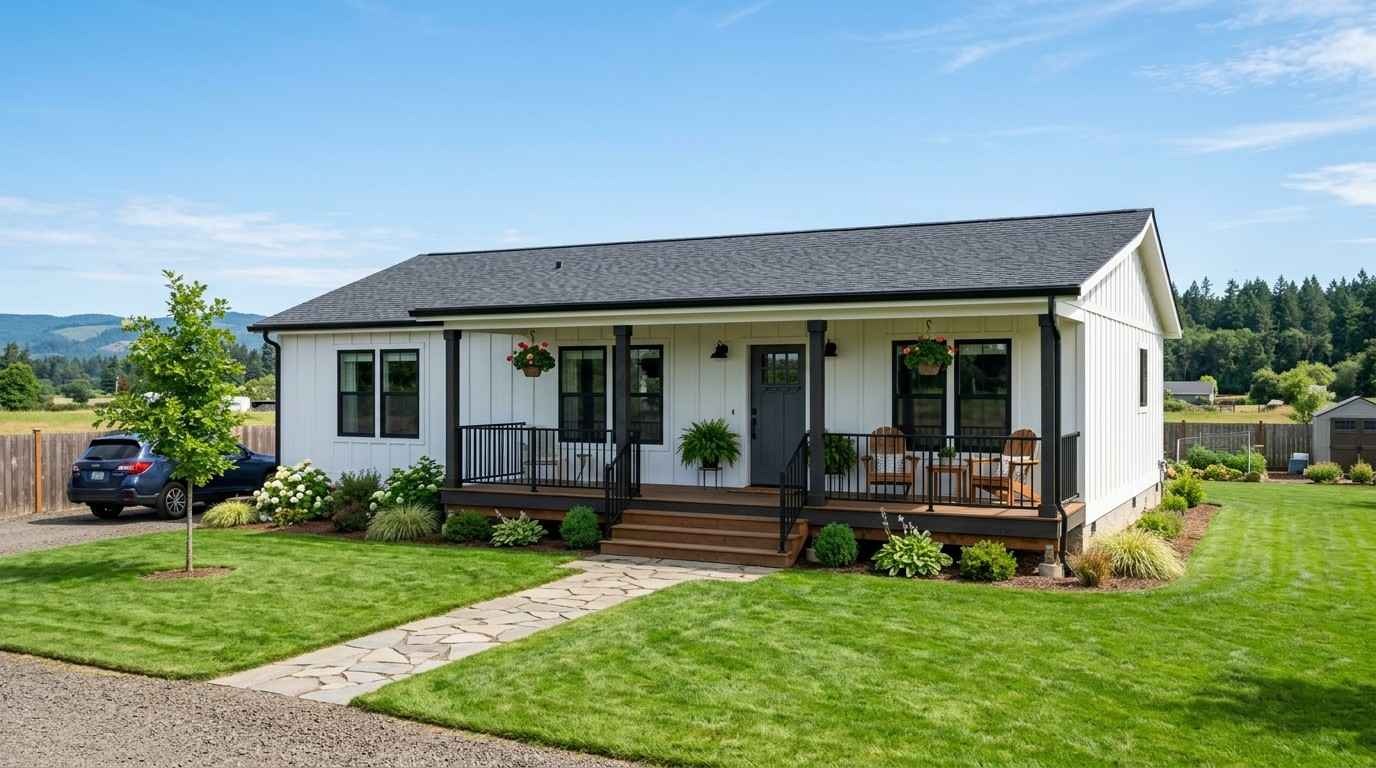
Manufactured homes are not like the old “trailers” that you see in movies from decades ago. The present models look and feel so much like traditional houses that sometimes it is hard to believe that they are not one. They usually feature a complete kitchen, several bedrooms, and quite a few other modern elements.
Understanding this will help you grasp that purchasing a manufactured home should be a well-informed decision, and the first step towards buying a manufactured home is to be very clear to yourself about what you are buying.
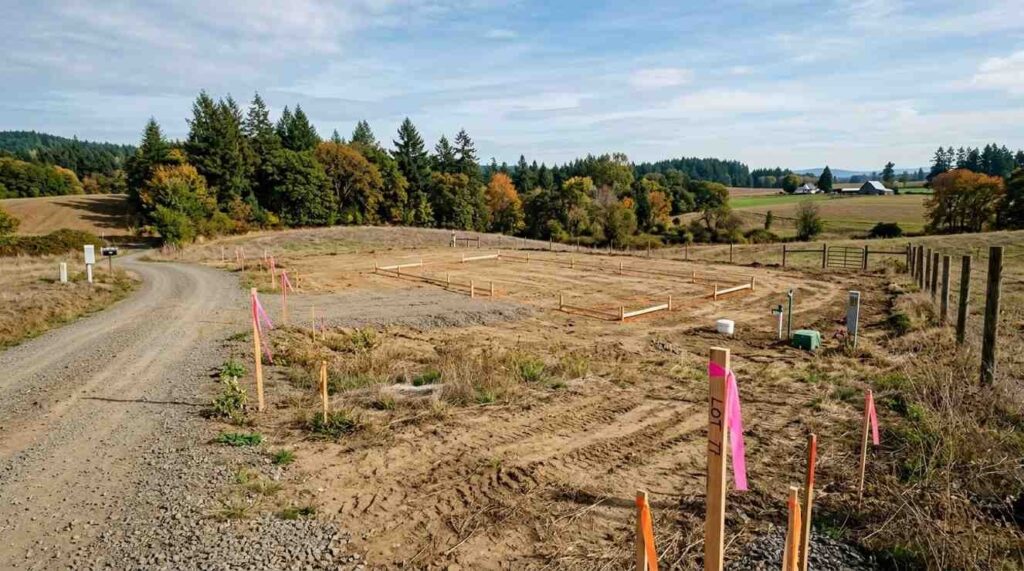
Step 1: Decide Where the Home Will Go
First things first, you need land. You have two major alternatives here.
Option A: Buy Land You Own
You will have more say in what happens and also boost your property’s value over time. However, you do be sure to review the zoning laws applicable where you live.
Option B: Rent a Lot in a Community
Many buyers choose to locate their manufactured home in a manufactured home community. Monthly rent for the lot usually covers services like roads, water, electricity, sewer, etc.
Each option works out very differently in terms of your budget and financing, so decide this early.
Step 2: Set Your Budget
Besides the home price alone, your budget should also factor in the cost of the land, fees to get the home delivered, hooking up utilities, and the price of permits.
Here is a simple list of expenses you should consider:
- The price of the home
- If buying land, land price or rental lot price
- Shipping and installation fees
- Foundation or skirting costs
- Connection of utilities (water, sewer, electric)
- Permits and inspections
Many first-time buyers overlook the additional costs of setting up. Not only will this cause your plan to be off, but you will also get stressed by the financial surprises.
Step 3: Choose the Right Home Size and Style
Manufactured homes are available in single-wide, double-wide, and triple-wide sizes. Naturally, bigger homes cost more, but the trade-off is getting more living area for your money.
Consider your family size, your storage needs, and your plans for the future. If you are a family that is growing, then getting extra bedrooms now rather than moving again later would be a good idea.
If you are also looking to upgrade your home, then looking into energy-efficient home improvements can be a smart move, as they will lower your bills significantly in the years to come.
Step 4: Find a Trusted Dealer or Builder
Not every dealer is right. You should find one that has good reviews, transparent pricing, and is properly licensed.
Questions to Ask a Dealer
- How long have you been in the business?
- What warranties come with the home?
- Can you give me names and contact information for past buyers?
- What is included and what is not in the base price?
You should expect a responsible dealer to answer your questions to your satisfaction and that they should never push you to make a decision.
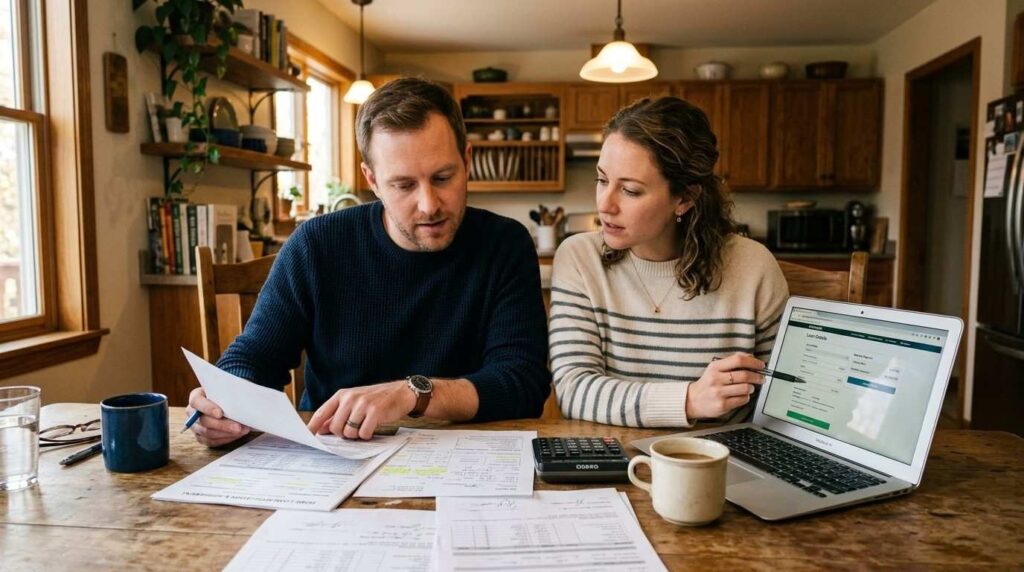
Step 5: Understand Financing Options
One of the main concerns when thinking about how to buy a manufactured home is getting the finances in order. There are differences in how you get financing as compared to buying a standard home.
Chattel Loans
Used when you don’t own the land, here the home itself serves as the collateral, just like in a car loan.
Mortgage Loans
Here, the home as well as the land are considered collateral. You can expect to get a more favorable interest rate under these.
FHA and VA Loan Programs
There are some government-backed programs that can help a buyer to qualify even with a small down payment. As per the U.S. Department of Housing and Urban Development, manufactured homes, which are built according to the federal code, can be eligible for various loan programs provided that certain conditions are met.
Make sure to check different lenders before you decide. This alone can save you a lot of money throughout the life of your loan.
Step 6: Get Permits and Inspections
The rules differ significantly from state to state, and even from county to county. In all likelihood, you will need permits for:
- Foundation work
- Electrical and plumbing installations
- Final placement of the home
Carrying out a home inspection after installation is highly advisable to ensure that the home complies with all safety codes. If you skip this step, you could face legal problems when selling your home down the line.
Step 7: Plan the Delivery and Setup
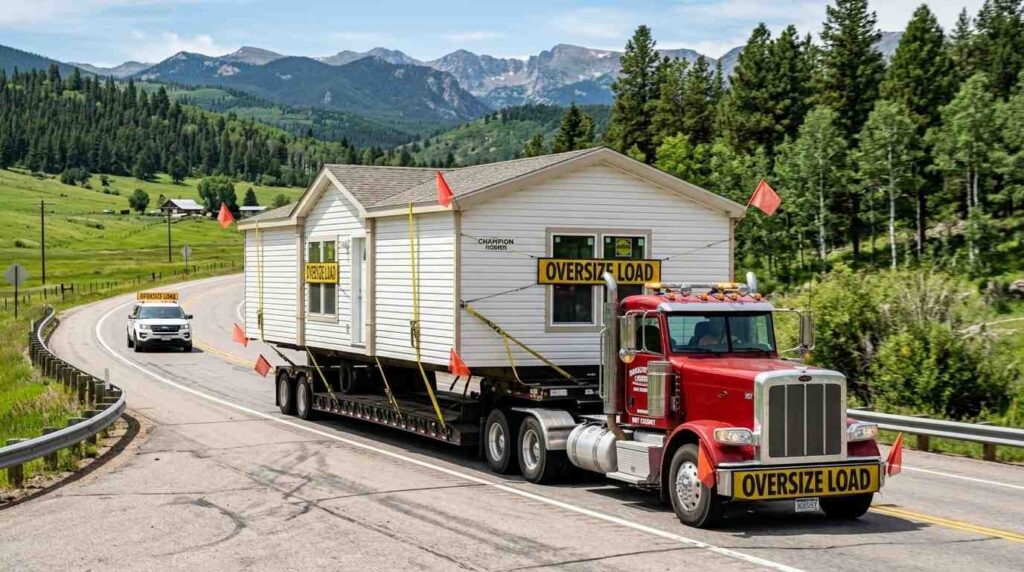
Your home will be delivered to your location after all approvals have been made. Setup involves leveling, securing, and hooking up utilities to the home.
Depending on the weather and site conditions, this can take from a few days to a couple of weeks.
If you are planning to remodel your place after the move, check out choosing the right flooring options that will hold up well in manufactured homes.
Practical Tips for First-Time Buyers
- Visit model homes before you make your final decision.
- Ask the seller for the home’s HUD data plate and certification label.
- Make sure you meet with three dealers before placing the order with one.
- Always keep a little extra cash on hand for unplanned setup expenses.
- Be certain that you understand the entire warranty before signing.
Doing these small things will prevent you from making expensive mistakes down the road.
Common Mistakes to Avoid
Mistake 1: Not doing the land research. A few buyers become so obsessed with the house that they forget to check if the land is suitable for it.
Mistake 2: Misjudging the overall costs. It is very unlikely that the home price will be the amount that you end up having to pay.
Mistake 3: Not believing the loan terms. Chattel loans tend to have higher interest rates in comparison to land-backed mortgages.
Mistake 4: Not researching dealer reviews.
Cheap is not always good, especially when it comes to service and hidden fees.
FAQs
1. How do I buy a manufactured home with bad credit? Some lenders offer chattel loans with flexible credit requirements, though interest rates may be higher. Improving your credit score first can help you get better terms.
2. Is buying land required to buy a manufactured home? No. You can place your home in a rental community instead of buying land, which lowers your upfront cost.
3. How long does it take to buy and set up a manufactured home? The full process usually takes 60 to 120 days, depending on financing approval, permits, and delivery scheduling.
4. Can I negotiate the price of a manufactured home? Yes. Many dealers allow some negotiation, especially on add-ons, delivery fees, or move-in incentives.
5. Do manufactured homes increase in value over time? It depends on the land, location, and upkeep. Homes placed on owned land tend to hold value better than those on rented lots.
6. What inspections are required before move-in? Most areas require a final placement inspection covering electrical, plumbing, and foundation work before you can legally move in.
Conclusion
In the end, buying a manufactured home is a combination of planning your land, budget, financing, and paperwork in the right order.
Don’t rush into buying from the first dealer you find or the first loan option you see. Little extra homework now will bring you to a nice move-in day and a house that you will be happy and proud to live in for many years.