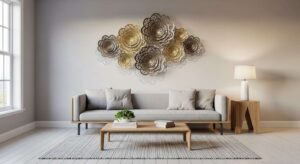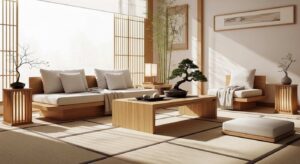
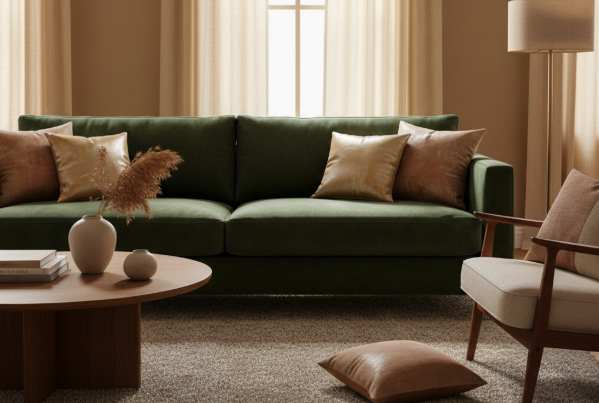
A large part of our lives happens within the confines of our homes; the kind of environment we create at home greatly affects our feelings of comfort and our mood on a daily basis. Furniture dictates the shape and overall structure of a room, yet it is the surface details, patterns, and colors of your fabrics that give a room its character.
Textiles are often downgraded by many homeowners who simply put them as a finishing touch on home decoration. Actually, one of the most influential design moves you can make in your home is to pick the right home decor fabric. It has the power to turn a mere furnished house into a cozy, well-curated home. The material you select sets the tone not just in terms of aesthetics but also in terms of how long the piece will last, whether you are simply adding new pillows to the couch, reupholstering an old chair, or putting up new drapes.
This comprehensive guide is at your disposal for making decisions about fabric choices. We will talk about different aspects of fabrics, helping you to spot the difference in weaves, identify durability ratings, and ultimately pick the right home decor fabric that will serve the dual purpose of making your place look great and being practical.
Understanding Home Decor Fabric
If you want to be able to talk about the specifics of different fabrics, you have to know the general category to which they belong. A home decor fabric is usually produced to withstand the everyday wear and tear of life. Sitting, leaning, getting sunlight, and rubbing without losing shape or fading.
Cotton for a t-shirt and the one for home decor purposes differ a lot. The latter is normally heavier and wider, and in many cases, it is made with a performance finish that allows the fabric to resist stains or discoloring. The scope of this category is very broad, as it covers upholstery, window treatments, bedding, table linens, and other soft furnishings.
The Importance of Fabric Choice
When it comes to the significance of your choice, it certainly does not boil down to the look of the color you are picking. A fabric is to an interior design what a skin is to a body.
Aesthetics: Texture in a room is like a multi-layered story. A satin, smooth, and shiny material not only reflects light but also gives a room a formal character. On the other hand, a rough and nubby linen, being a light absorber, will create a calm and natural atmosphere. The mixing of these textures can, to some extent, make an all-white room more lively or a room full of colors more chaotic if the right balance is missed.
Functionality and Durability: Although a silk sofa is the most beautiful thing to look at in a magazine, it is likely to be the first one to tear in a household with kids and pets. Picking the right home decor fabric implies that your pieces of furniture will be capable of standing the kind of life you lead. Fabric with properties that help it to repel stains, on the one hand, can be combined with a sturdy weave that is pilling and tear-resistant, on the other.
Ambiance: The “temperature” of a house is set by the different types of fabrics there. Heavy wool and thick velvet warm up a place since they feature good insulation. Therefore, they are just the things you need if you are planning to have a snug type of room. On the contrary, thin voile and crisp cotton allow both air and light to pass through. All this is conducive to a fresh, cheerful environment, which is also a perfect place for a sunroom.
Types of Home Decor Fabrics
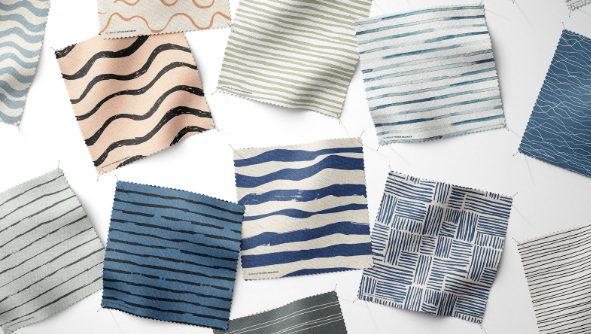
As we all know, it is very easy to get lost in the fizz of the fabric shop. To make things easier for you, we have simplified the categories and listed down the materials that you are most likely to come across.
Cotton
Speaking of cotton first, it is the backbone of the textile industry. Being a natural fiber, it has become popular with almost everyone due to its softness and adaptability. Due to its excellent affinity for dye, cotton is available in a myriad of colors and patterns and, therefore, a mainstay home decor fabric for both pros and the DIY-loving crowd.
- Pros: Cotton is naturally breathable and hypoallergenic, and is available at a good price most of the time. Cotton blends are often regarded as luxurious due to the mixture of two types of fibers, giving, to some extent, the best of both worlds. They not only possess the softness of cotton but also the strength of the synthetic fiber.
- Cons: Pure cotton easily gets creased, and if put under direct sunlight for a long time, it will also fade. In addition, it will get stained very easily if no steps are taken to make it resistant.
- Best uses: For the production of curtains that fall very well, washable slipcovers, scatter cushions, and lightweight upholstery in areas with limited foot traffic, cotton is an excellent choice.
Linen
Linen is derived from the flax plant and is one of the oldest fabrics known to mankind. It is the fabric that carries effortless luxury and is associated with an environment of relaxed elegance. In its weave pattern, you can usually find very thin streaks of uneven thickness that give the texture, also called “slubs.”
- Pros: Linen has unparalleled strength, is a natural antibacterial fiber, and is quite breathable. Moreover, it resists pilling much better than cotton and gets softer with every washing.
- Cons: The “lived-in” look does have its fans, but not all; linen wrinkles instantly at the slightest touch, and the “wrinkle factor” can be a turn-off for some people. It is also quite stiff at first, and since it is prone to staining, it is not a great idea to use it on dining chairs.
- Best uses: Great linen applications include light and transparent curtains that can be gathered on the floor, loose slipcovers that “invite” wrinkles, and decorative pillows that give organic texture.
Polyester
In the past, polyester was looked down upon. However, modern polyester has been completely rebranded and changed its image. High-quality polyesters today are practically indistinguishable from natural fibers but have even better performance than the latter ones. It can be said that it is the most convenient home decor fabric for families with a hectic lifestyle.
- Pros: It is extremely strong and does not get easily wrinkled, shrunk, or faded. Microfiber, which is a form of polyester, is well-known for its high stain resistance and cleaning that can be done with great ease.
- Cons: The polyester of a lower grade can have a plastic-like feel and, as a result, may trap heat. Moreover, it is oleophilic in nature, which means that it will hold oil-based stains if they are not removed immediately.
- Best uses: Heavy-duty upholstery for family sofas, outdoor furniture (when treated for UV resistance), and blackout curtains.
Silk
Silk is considered the very symbol of luxury. It is a natural protein fiber from silkworms, and its brilliance is something no synthetic fiber can truly imitate. The moment silk enters the room, it brings along a kind of pomp and grandeur.
- Pros: It feels sumptuous to the touch and has a remarkable sparkle. In addition, it is capable of being dyed into deep, vibrant, and rich jewel colors that seem to have a kind of inner light.
- Cons: It is safe to say silk is the “diva” of fabrics since it is pricey and delicate, and if exposed to sunlight, it degrades (rots) rather quickly. Even the spot of a single droplet of water can leave a permanent water stain.
- Best uses: Silk is best utilized in decorative elements and areas with little foot traffic. It is great as drapery (should be lined to prevent sun damage), decorative throw pillows, or an upholstered occasion chair rarely used for seating.
Wool
Wool is a fiber that nature has endowed. It comes from sheep, goats, or alpacas and has that special crimp that makes it elastic and bulky. Besides being a warm and cozy material, it is also a very pleasant touch for any home.
- Pros: Wool has natural qualities that make it flame-retardant, water-repellent, and soil-resistant. Besides, it has excellent memory, which means it can reveal its original form after being compressed; hence, it serves as a long-lasting home decor fabric for seating.
- Cons: If the wool is of high quality, it might be quite expensive. Some blends are quite scratchy to the skin, and the only way to prevent shrinking or felting is by professional dry cleaning.
- Best uses: Upholstery for office chairs or sofas, area rugs, and warm throw blankets.
Velvet
“Velvet” refers to the weave, not the content; you can have cotton velvet, silk velvet, or synthetic velvet. It is characterized by a dense pile that feels incredibly soft and creates a rich, multidimensional look.
- Pros: Velvet adds instant drama and depth. It is durable (especially synthetic blends) and insulates well.
- Cons: It attracts dust and pet hair like a magnet. “Crushing” or “bruising” can occur where the pile is flattened, though some view this as a charming patina.
- Best uses: Statement upholstery, headboards, floor-to-ceiling curtains, and plush cushions.
Factors to Consider When Choosing Home Decor Fabric
The right choice of fabric is a compromise between your heart (style) and your head (practicality). Below is your choice navigation system.
Durability and Usage
Before you get to fall head over heels for one particular fabric sample, you’d better make sure that you are going to be truthful with yourself about the purpose of the piece. It is very common in the industry that the durability of a fabric is indicated by the number of ‘double rubs’ it can withstand; that is, when a machine rubs fabric from one side to another until it is worn out.
Imagine a sofa in a living room where you spend most of your time watching Netflix, where you have kids jumping all over it, and dogs napping on it; in such a case, you would require a very strong home decor fabric for upholstery with a high number of double rubs (more than 15,000). Figures are to be expected; schooled silks or the thinnest cottons cannot survive under the aforementioned conditions. On the other hand, a chair for your bedroom might be a little more delicate in fabric since it mostly just holds the laundry.
Style and Aesthetic
The choice of your fabric should be in alignment with the style of your current home decor.
- Traditional: Go for damasks, floral, and classic striped patterns in silk, wool, or cotton.
- Modern: Channel your preference for solids, geometric patterns, and superb textures such as leather or tightly woven linens.
- Rustic/Farmhouse: Bring into your home environment bulky knits, burlap, canvas, and worn-out leather.
You should be careful not only with patterns but also with colors. The darker ones will help you in hiding the dirt, but they will also fade faster outside than the lighter colors, which tend to be very bright, but at the same time, they show even the smallest stain. If you go for a neutral home decor fabric for the largest pieces (like an armchair), then you would be able to update the look easily by using colorful, trendy pillows, for example, without having to break the bank.
Maintenance and Care
How much time do you want to devote to the cleaning? Performance fabrics (such as Crypton or Sunbrella) are “must-haves” for people with a hectic lifestyle. They combine such things as stain resistance and bleach compatibility, and in some instances, they allow you to become creative with instant cleaning.
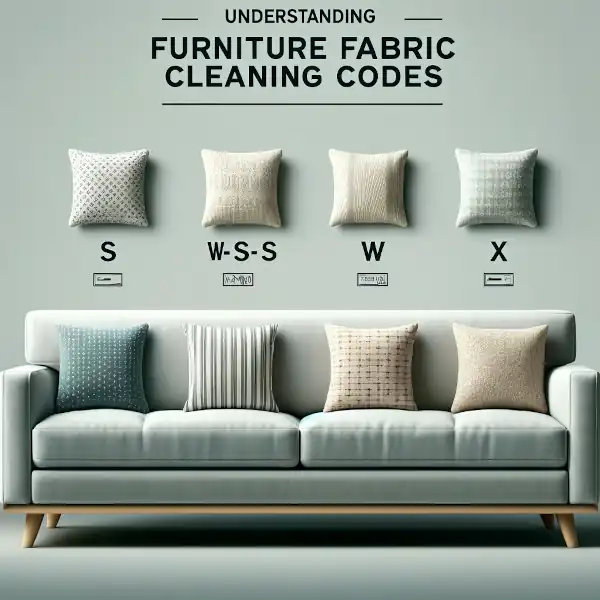
Never forget to look at the cleaning code:
- W: Water-based cleaners. Home improvement
- S: Solvent-based cleaners (dry clean only).
- WS: Can use water or solvents.
- X: Vacuum only.
For an ironing hater, 100% linen can be quite a nightmare. If your cats have nails and thus they scratch, then avoid loose weaves such as bouclé, as they easily snag.
Budget
The price of fabrics varies from $10 per yard all the way up to hundreds of dollars per yard. It is wise to set a certain spending limit before you go fabric shopping. The point to keep in mind is that without labor, you will not get an upholstery job, even if the fabric is paid for.
When money is tight, get your high-quality home decor fabric for touchable stuff like the sofa, and for the other things like curtains or throw pillows, it is okay if they are of a lesser-cost synthetic because they will still look good without going through that much wear and tear.
Home Decor Fabric Trends
Interior design never remains the same, as new trends come up all the time. Below you will see a list of trends that define how we are going to dress our homes this time around.
Sustainable Fabrics
Eco-consciousness keeps on gaining ground, and the demand for green textiles goes side by side with it. More and more, homeowners look for organic cotton (grown without pesticides), recycled polyester (made from plastic bottles), and hemp, which are the materials that lower the overall carbon footprint of your home. When you choose a sustainable home decor fabric, you are not only helping to benefit your family but also the planet.
Bold Patterns and Colors
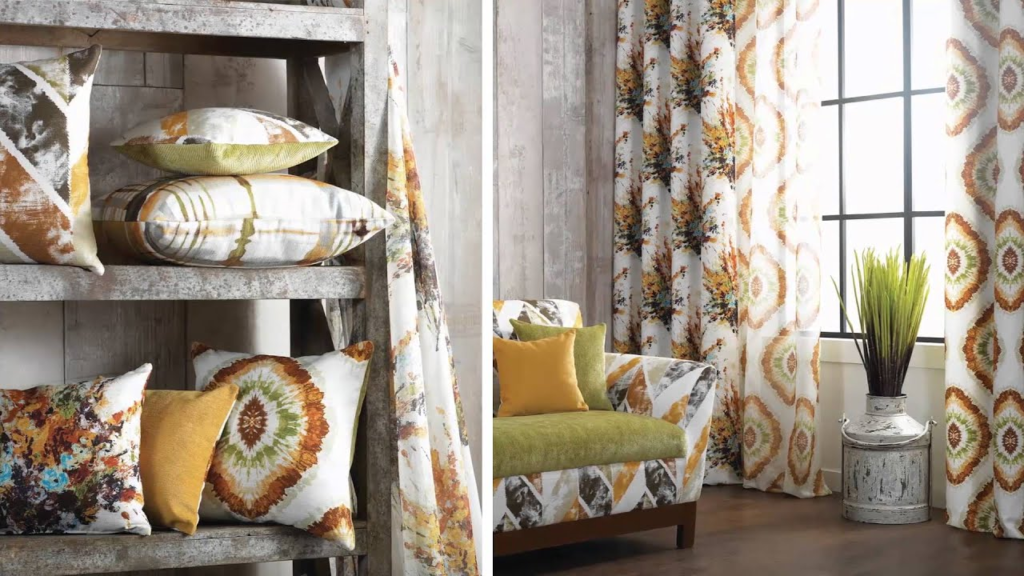
It appears that minimalism is giving way to maximalism. There has been a surge of bold and expressive styles this year. Large-size florals, bright geometrical patterns, and rich jewel colors such as emerald green, sapphire blue, and mustard yellow are a few of them. These fabrics are the ones that are responsible for furniture becoming art and art becoming a conversation piece.
Textured Fabrics
People want to be reminded of something real and tangible in a digital world. Currently, the king of interior design is texture. We have seen a boom of nubby bouclé (the trend was started by mid-century modern design), ribbed corduroy, and faux fur. These inherently textured fabrics not only raise the value of space in terms of the physical sensation they provide but also in terms of the visual element that makes the place cozy and inviting. A textured home decor fabric is a simple solution to a neutral color scheme suddenly becoming not only interesting but also far from boring.
Final Thoughts
Your home transformation is not just about replacing the old stuff with the new one, but is more about choosing wisely with the criterion of whether it would be beneficial to your life or not. There are many options for different rooms, from the ones basically impervious to velvet performance up to the ones that actually bring the feeling of the summer breeze refreshing your face through a well-kept linen window shade.
You can efficiently choose such a piece of home decor fabric that it would still look fresh and beautiful when you decide to take out the cloth covering your furniture after a few years by recognizing different fiber properties and evaluating your lifestyle. Go on, get some samples, go through the textures, and start visualizing the endless opportunities. Your ideal home might just be a few yards of fabric away.