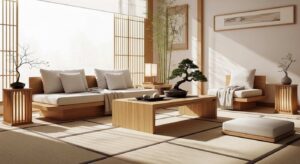
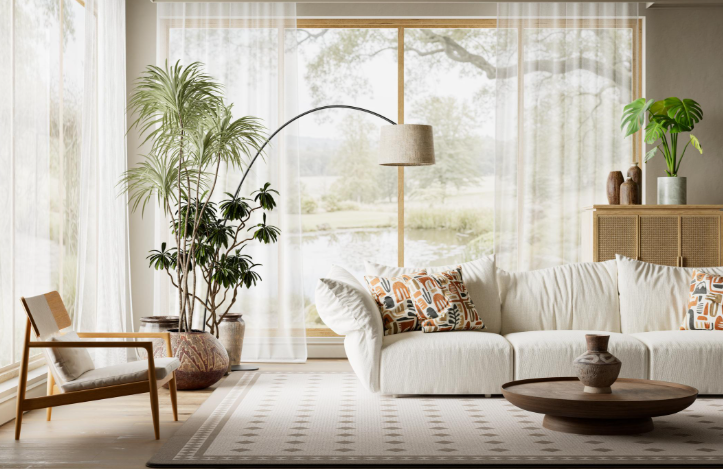
It’s no secret that the craze for indoor plants has taken over the globe. The website traffic for indoor gardening tips has more than tripled in the last five years, reaching a new high. People are just going crazy over green stuff. Anyone you see on Instagram is either posting pictures of their monsteras or their local nursery on Saturday. The idea of having a plant as a friend first, then a full-on indoor jungle enthusiast, is very relatable to everyone.
There is a clear indication that this trend is mostly due to the influence of a growing appreciation for nature. Biophilic design – the idea of improving human-nature relationships through architecture – has led to a big change in perception of our home environment. We are not just talking about decorating a house anymore; it’s about health and happiness. Incorporating houseplants homeowners adding for living space into your home means you are not simply covering a wall. You are really revitalizing your personal space. The blog delves into how plants can boost your health, tips on which plants to buy, and advice from professionals on plant care and décor for a home full of plants and life.
The Lesser-Known Benefits of Plants
Putting a fiddle leaf fig in such an exquisite basket is nice; however, the benefits of plants go way beyond what meets the eye. Plants are proven to be more than just decoration in homes, according to science.
Plant Your Way to Cleaner Air
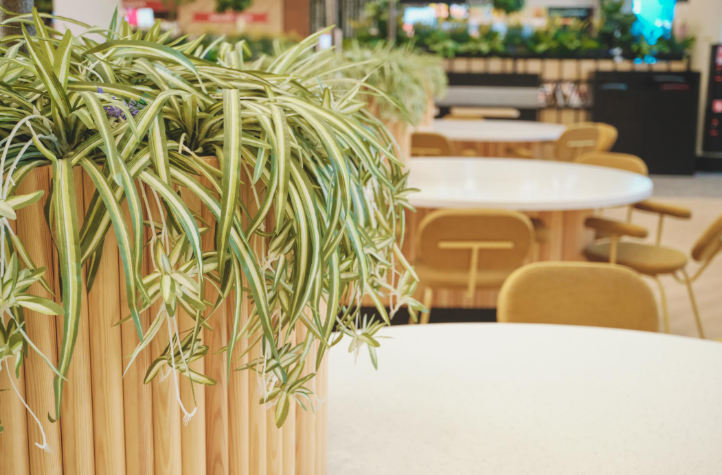
We show off our airtight, energy-efficient homes to our friends, but the truth is, it is at the cost of no good air ventilation. Due to off-gassing of new furniture, paint, cleaning products, etc., indoor air can sometimes be more contaminated than outside air. Here is where we should thank plants for being Earth’s air purifiers.
According to the well-known NASA study on air purification, certain plants can even eliminate chemical contaminants (e.g., benzene, formaldehyde, and trichloroethylene) from the air. Plants get rid of these gases through leaves and roots. When figuring out the best houseplants homeowners adding for a living space, go for workhorses like:
- Snake Plants: Formaldehyde is well filtered by these plants.
- Spider Plants: They are very effective against carbon monoxide and xylene.
- Peace Lilies: They can help to break down mold spores and neutralize gases.
Get the Mood, Memory, and Concentration Boosts You Need
Have you ever observed how your brain functions better when you are out in the park? With plants around, you can achieve that in your own place. There is a legitimate scientific basis behind horticultural therapy – essentially the study of plants – and how it affects the reduction of stress, anxiety, and depression.
Actually, the basic process of caring for a plant: watering it, trimming old leaves, and measuring new growth count as an exercise for your brain to practice mindfulness and meditation. It actually makes you focus on the here and now more than anything else. Besides that, it has been demonstrated that having plants around your desk area will improve your work efficiency and focus by about 15%. Those who work remotely consider the houseplants homeowners add for living space as their indispensable partners for sanity and focus during work hours.
Instantly Uplift Your Home Decor
For a long time, interior designers have recognized the value of using plants as the “final touch” of their decoration. They can give different layers of texture, color, and shape to a room that would otherwise appear to be very dull. For instance, a tall palm plant not only adds life to a room but can also make it appear to have a higher ceiling. On the other hand, the glow of a ‘window plant’ is a great way to warm up a cold metal bookshelf.
The vagueness comes in trying to match the energy. Thus, a cactus may be the perfect partner for a minimalistic, desert-modern kind of decorating style, while a fern can do the trick for a bohemian or cottage-core vibe. If you are going through the houseplants homeowners add for living space, picture the plants as works of art that will continue to change over the years.
Picking out Your Houseplants
Arguably, the biggest blunder newbie plant owners can make is simply buying a plant based on how it looks without taking into consideration what it requires for survival. For your plant adventures to be fun and fruitful, you will need to make a good evaluation of your surroundings first.
Make a Mental Note of Your Living Space
It would be best if you made a list of your home features before going to the garden center.
- Light: The correct lighting conditions are by far the most important. You get the brightest and most direct light if your windows are facing to the South. Windows on the East and West sides give moderate light, while windows facing the North give low, indirect light. You cannot expect your light-loving succulent to be happy in a dark bathroom.
- Humidity: If we are talking about tropical plants, then water is a must for them to have. If you are living in an arid area or your air conditioning is constantly running, then you will probably have to resort to a humidifier for plants like Calatheas or Ferns.
- Temperature: For the majority of houseplants, the temperature should be consistent. It is not a good idea to expose them to temperature changes coming, for instance, from drafty windows during the winter or heater vents during the summer.
Matching the plant to the condition means the houseplants homeowners add for living space are bound to do well and not merely survive.
Popular and Low-Maintenance Plants
Don’t worry if you’re still working on your green thumb. Start by choosing those ‘almost impossible to kill’ plants. These are the ones that won’t scold you right away if you forget to water them or if the light is not up to par.
- ZZ Plant (Zamioculcas zamiifolia): It copes with low light and can even be without water for weeks. What more can a starter plant offer?
- Pothos (Epipremnum aureum): It grows so fast, plus it can literally tell you what it needs (it droops when thirsty and perks up soon after watering).
- Rubber Plant: Rugged and handsome with its dark, shiny leaves.
By choosing tough and resilient plants, the houseplants homeowners adding for living space will not only survive but thrive. Also, this is the way to build your confidence gradually.
Getting Houseplants into Your Home Decor
Now that you have your plants, it is time to kiss those dull corners goodbye and say hello to a whole new chance to play around with interior design. Every room in the house is meant for something special, so your plant selection should harmonize with that.
Luxuriating in the Living Room
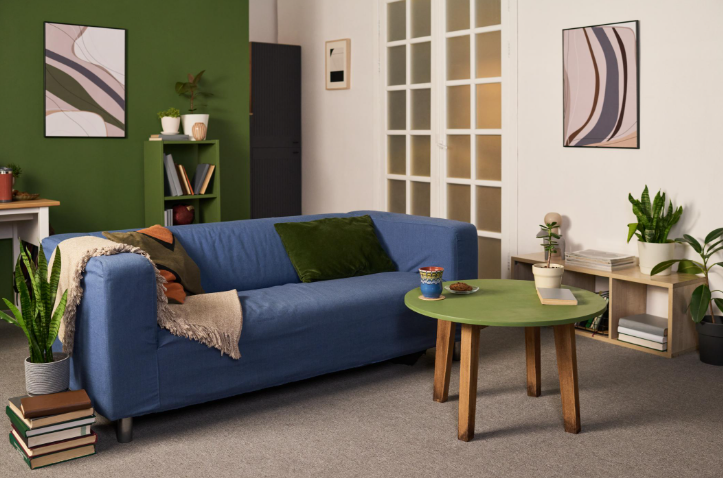
Generally speaking, the living room always has the greatest square footage and the most light. Hence, it is the perfect setting for your main plants. This is where you can put a huge Bird of Paradise plant or a Monstera Deliciosa one.
- Location: You can use your large plants on the floor to help create your furniture groupings. A tall plant is quite effective next to a couch or can be put into a neglected corner in order to bring a bit of warmth to the open space of the living room.
- Diversity: Combine different types of leaves, both in terms of shape and size. A spiky Dracaena and a bushy Philodendron are a perfect couple for getting people’s attention.
Some of the houseplants homeowners add for living space are mostly displayed in the living area because it is the setting where the hosts meet their guests.
The Bedroom as a Place of Relaxation
Apart from sheltering us from the elements, the bedroom is the place where you mainly get some well-deserved rest. Tranquility is the watchword here.
- Air Purification Uses: It is the uniqueness of Snake plants and Aloe Vera that both release oxygen even at night (most other plants release it during the day). So, they are perfect to be kept next to your bed.
- Relaxing Aromas: If you have a Jasmine or Lavender plant, you get natural aromatherapy. However, these plants usually demand more light, something that your bedroom doesn’t normally have enough of.
- Steer Clear of Allergens: If you are allergic, it would be best if you do not expose yourself to flowering plants that produce pollen. You should only indulge in leafy plants.
Being away from the hustle and bustle, homeowners adding living space, and locals can be similar to the concept of the ‘green’ corner.
Kitchen Energy
Since the kitchen is the hub of any household, it definitely should be a comfortable place.
- Kitchen herbs: You cannot compare the taste of fresh basil, rosemary, or mint snipped right from your windowsill with anything else. They require abundant sunlight, but in return, they give you so much more than just their presence.
- Trailing plants: There’s always the possibility that kitchen cabinets or shelves are tall. This is where a Pothos or an English Ivy making its way down from the top of the fridge can add a touch of nature.
- Hardiness: It is a fact that ovens sometimes cause temperature fluctuations. So, the plants you decide to put in your kitchen should be those that can tolerate some heat.
When the houseplants homeowners add for living space are in the kitchen, they play double roles as ornaments and as tools for work.
Tips for Taking Care of Your Plants
It is much easier to get a plant than to keep it going. This is the main sticking point. Caring for plants is not a very complicated task; however, you do need to be regular at it.
Watering
Most houseplants die because they are overwatered. This is mainly because of root rot, which in most cases is incurable.
- Finger Test: The idea is to push your finger about an inch into the soil. When you feel that it is dry, give the plant water. However, if it is still wet, then give it a few more days.
- Drainage is Key: Make sure your pot always has holes in the bottom so that water can run out freely. In the case you have a fancy pot without holes, you should keep your plant’s nursery pot inside it. So, watering and drainage are still under control.
- Water Quality: Some of your adored plants may dislike the chlorine that is in tap water. You can solve this problem by letting the water stand overnight or by using filtered water, and thus you prevent the leaves from turning brown.
Houseplant homeowners adding for living space need to be properly watered in order to retain their natural beauty and firmness.
Fertilizer Use for a Healthier Development
Plants having less soil at their disposal get their nourishment from their surroundings. As soon as the nutrients contained in the soil run out, the need for fertilizers makes itself felt.
- When to Correct Deficiency: Feed the plants at the time when they are most enthusiastic about growth (spring and summer). You should stop feeding when the leaves start to fall in late autumn and winter, which is the season of dormancy.
- Kinds: Using liquid fertilizer offers good maneuverability. If you get it from a reputable store, you can decide to dilute it to half. Slow-release pellets are also a great low-maintenance option.
With consistent feeding, the houseplants homeowners add for living space will be enjoying new leaf fascinations throughout the year.
Pests, Diseases, and How to Combat Them
It does not matter how tidy your house is; there will always be some pests that sneak in on your plants. All of these can actually be your new plants or open windows to the outside world that could have let in the pests.
- Dirty Little Secrets: Spider mites (tiny webs), mealybugs (white cottony fluff), and fungus gnats (tiny flies) are what you need to be trying to keep at bay.
- Neem oil is a great natural pesticide that can be used against most of the pests. Cleaning the leaves regularly with a damp towel is not only to remove dust but also to help prevent an outbreak of pests.
- Keep that plant away from others if it is a carrier of a disease (or if it looks like it); this is a measure to avoid the spreading of the infection.
Being watchful is the most important thing when it comes to protecting the houseplants homeowners add for living space investment.
Hands-On Ways of Using Plants to Decorate Your Home
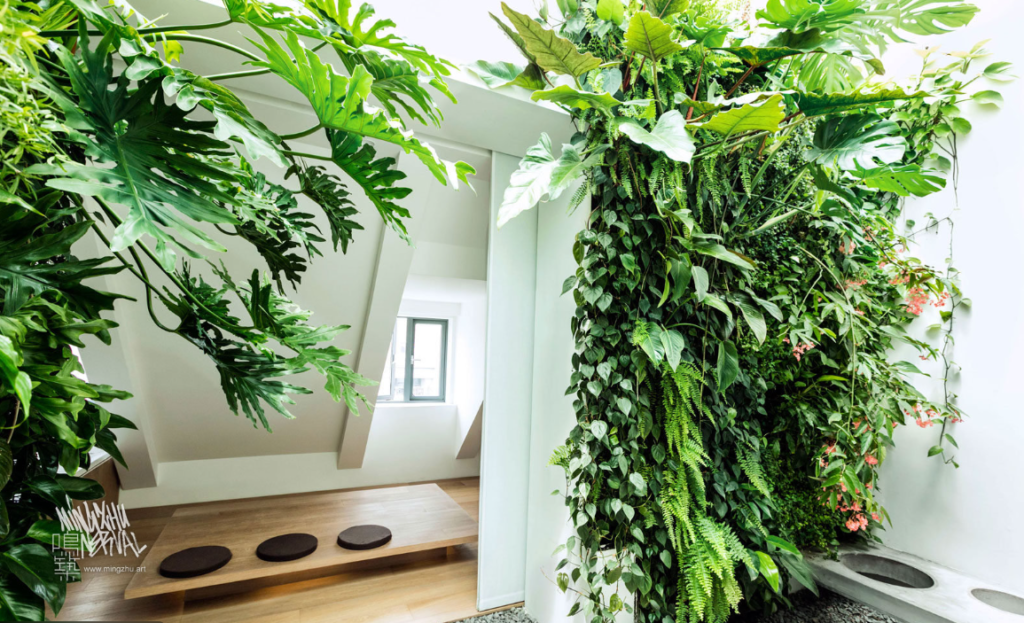
Haven’t you noticed that there is no more space left on the floor or on the tables? If yes, then it is high time you start getting creative. Vertical gardening enables you to add more green without taking up more space in the house.
Suspended Planters
Macramé hangers are back in fashion and bring a great little touch of a bohemian vibe. If you put your hanging plants in front of a window, you will attract people’s attention upward and, what is more, you will be giving the plants the maximum amount of light. In fact, this is an extremely smart method used by houseplant homeowners adding living space who live in tiny apartments or studios.
Bookcase and Plant Stands
Why not have an entire bookshelf dedicated only to your plants? When you group them, you create a microclimate where the plants increase the humidity for one another through transpiration. Using plant stands of different heights is a good way of turning a group of small pots into a unified display.
Grouping Plants
Don’t just put plants here and there around the room as if you were throwing seeds. When you group plants, it will be the visual impact of a “mini jungle”. The combination of different textures – glossy, feathery, spiny, and round – makes the plant arrangement dynamic. That gives the impression that houseplant homeowners adding living space are a thoughtful design element rather than a last-minute idea.
The Reason the Trend Will Keep Growing
The increasing popularity of green interiors is more than a mere fad; it is a change in lifestyle. We have come to understand that our surroundings have a direct influence on our moods, health, and general happiness. By simply taking care of a growing living thing, we are able to reestablish our connection with nature’s cycle, even if we are in the middle of a concrete jungle.
There is something special about witnessing a new leaf slowly opening or a propagated cutting getting its roots. It is a gradual and fulfilling process that negates the quick-paced virtual world in which we are living. The houseplants homeowners add for living space are a constant reminder of nature’s growth and endurance.
Besides, in line with the evolution of sustainability mainstreaming, a shift from plastic, disposable decoration to a living and biodegradable beauty is being seen. A properly taken care of plant can be your companion for a very long time, and it may even become an heirloom passed from one generation to another.
Making Your Home Your Haven
It doesn’t matter if you own a large home or just a small apartment; there will always be a plant that suits your life perfectly. First, you need to evaluate your home in terms of light and then find the plant species that go well with what you have. A small amount of care, combined with the quality of life, is what you can look forward to when you have plants at home.
So, don’t think twice. Visit that nursery. Get yourself that pot. Begin your plant journey. Houseplant homeowners adding to their living space is deemed by many as among the most fulfilling and worthwhile home improvement projects; thus, why not join the crowd? After all, it is a win for your home, for your health , too.